

A Kelly swivel is a load-bearing component in the lifting system of a rotary drilling rig. It connects the hoist wire rope to the Kelly bar assembly, allowing the connection to rotate under load and helping prevent the wire rope from twisting during drilling and tool handling.
For piling contractors, the condition and load capacity of the Kelly swivel affect lifting reliability, wire rope service life, and the safe handling of drilling tools. Understanding how it works also helps when inspecting used rotary drilling rigs or selecting replacement components.
What Is a Kelly Swivel?
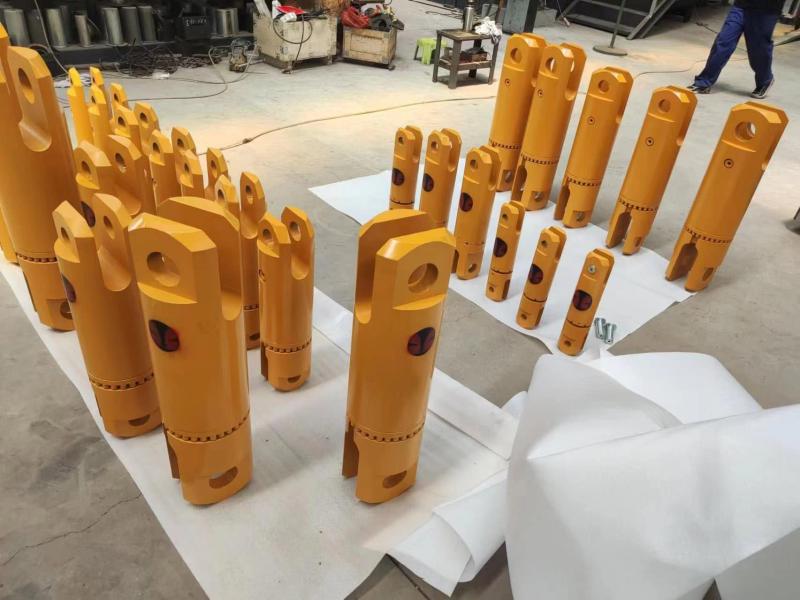
A Kelly swivel is a mechanical lifting connection designed to carry tensile loads while permitting relative rotation between connected components. It is used with Kelly bar systems on rotary drilling rigs and can be configured for both friction and interlocking Kelly bars.
The Kelly swivel typically incorporates a load-bearing body and rotating components supported by bearings. Its construction allows the hoist wire rope to lift the Kelly bar assembly without forcing the rope to follow every rotational movement of the connected equipment.
Depending on the rig configuration, the assembly can be used when handling drilling buckets, augers, core barrels, and compatible casing tools. The Kelly swivel must be selected according to the required lifting capacity, connection dimensions, and equipment specifications.
Kelly Swivel Models and Selection
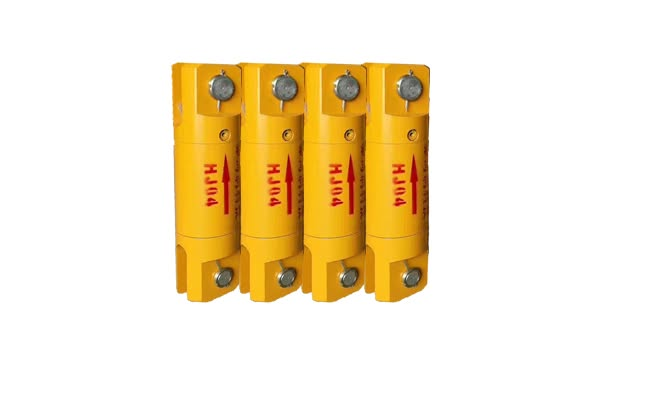
Kelly swivels are available in different models to match the lifting requirements and torque range of rotary drilling rigs. For example:
- HJ01: Rated traction of 260 kN, compatible with rigs in the 180–230 kN·m torque range.
- HJ04: Rated traction of 460 kN, compatible with rigs in the 280–360 kN·m torque range.
- HJ06: Rated traction of 610 kN, compatible with rigs in the 300–420 kN·m torque range.
- HJ08: Rated traction of 690 kN, compatible with rigs in the 360–550 kN·m torque range.
When selecting a Kelly swivel, check the required traction capacity, connection dimensions, Kelly bar configuration, and drilling rig specifications. The swivel must match the lifting system and operating requirements rather than being selected by model number alone.
How Does a Kelly Swivel Work?
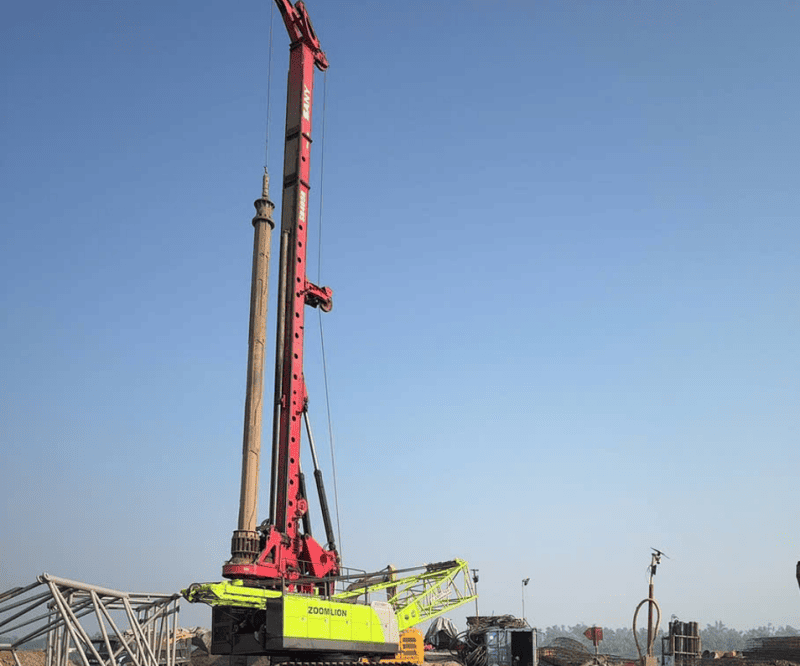
A Kelly swivel connects the main winch wire rope to the Kelly bar assembly on a rotary drilling rig. Its primary function is to transmit lifting force while allowing the connection to rotate freely under load. This helps prevent the wire rope from twisting as the Kelly bar and attached drilling tools rotate during piling operations.
1.Transferring Lifting Force to the Kelly Bar
When the main winch raises the wire rope, the Kelly swivel transfers the lifting force to the Kelly bar assembly and its attached drilling tool. This allows the drilling bucket, auger, or core barrel to be lifted from the borehole for soil discharge, tool changes, or repositioning.
The swivel must withstand the required lifting load while maintaining a secure connection between the wire rope and the Kelly bar. Its rated traction capacity and connection dimensions should match the requirements of the drilling rig and the tools being handled.
2.Allowing Rotation Without Twisting the Wire Rope
During rotary drilling, the power head drives the Kelly bar, which transmits torque to the attached drilling tool. The Kelly bar and tool rotate as they cut into the ground, while the main winch wire rope remains part of the lifting system.
The Kelly swivel accommodates relative rotation between the connected components, reducing the torsional stress that would otherwise be transferred to the wire rope. This helps limit rope twisting and kinking, reducing the risk of premature wear and damage.
The swivel does not generate the drilling torque. Instead, it allows the lifting connection to accommodate the rotational movement of the drilling assembly while carrying the specified load.
3.Supporting Safe Lifting and Tool Handling
During drilling operations, the Kelly swivel may be subjected to substantial tensile loads, repeated lifting cycles, and rotational movement. Its load-bearing components and bearings must operate correctly to maintain smooth rotation under the specified working conditions.
Excessive bearing wear, insufficient lubrication, damaged connections, or deformation can increase rotational resistance and affect the reliability of the lifting connection. Regular inspection should therefore cover the connecting pins, bearing condition, visible wear, and any abnormal resistance or movement.
The swivel’s rated traction capacity must also be considered alongside the rig configuration and lifting requirements. Selecting a swivel based only on its physical dimensions may result in an unsuitable component.
Common Kelly Swivel Problems
Kelly swivel problems may affect lifting performance and the condition of connected components. Common issues include:
Bearing Wear or Restricted Rotation
Worn bearings may cause rough movement, increased resistance, or excessive clearance, affecting the swivel’s rotation under load.
Wire Rope Twisting
Repeated twisting or visible kinking may indicate a swivel malfunction or another problem in the lifting system.
Damage to Load-Bearing Components
Cracks, deformation, and severe corrosion may compromise structural integrity and require assessment before the swivel returns to service.
Incorrect Capacity or Connection Dimensions
Insufficient rated capacity or incompatible connections may make a swivel unsuitable for the intended rig and lifting configuration.
How to Inspect a Kelly Swivel
During inspection, focus on the following items:
- Structural condition: Check the body and load-bearing areas for cracks, deformation, and severe corrosion.
- Bearing performance: Check for abnormal resistance, rough movement, or excessive clearance.
- Connection points: Inspect pins, mounting interfaces, and connecting surfaces for wear or damage.
- Wire rope condition: Look for twisting, kinks, broken wires, and other visible damage.
- Lubrication: Follow the manufacturer’s specified lubrication procedure.
- Rated capacity: Verify that the swivel is suitable for the intended lifting configuration.
Follow the manufacturer’s inspection intervals and acceptance limits. Any suspected structural damage or abnormal load-bearing behavior should be assessed by a qualified technician before further use.
How to Choose a Replacement Kelly Swivel
When replacing a Kelly swivel, verify the following specifications:
1.Rig and Kelly bar configuration
Confirm the rotary drilling rig model, Kelly bar type, and swivel connection arrangement.
2. Connection dimensions
Check the required pin diameters, mounting dimensions, and other relevant interface measurements against the original specifications.
3. Rated traction capacity
Select a swivel with a rated traction capacity suitable for the required lifting load.
4. Drilling rig torque compatibility
Check the manufacturer’s specified rig torque compatibility range. Rig torque and swivel rated traction capacity are separate parameters.
5. Component condition and maintenance history
For used equipment, check the swivel’s wear, inspection records, and maintenance history before reuse.the bearing condition, load-bearing body, connection points, and available service records. Replace components that fail the applicable inspection criteria.
Kelly Swivel Selection for Rotary Drilling Rigs
A Kelly swivel is an important part of the rig’s lifting system because it carries the load while accommodating relative rotation at the connection. Correct capacity selection, compatible mounting dimensions, and regular inspection help maintain reliable tool handling and reduce avoidable wire rope wear.
When evaluating a used rotary drilling rig or sourcing a replacement swivel, verify the rig model, Kelly bar configuration, connection dimensions, and rated traction capacity before purchasing. These checks help ensure that the selected component is suitable for the intended application.
FAQs(Frequently Asked Questions)
A Kelly swivel connects the hoist wire rope to the Kelly bar assembly, carries the lifting load, and permits relative rotation to help prevent wire rope twisting.
Some swivel designs are compatible with both systems. Compatibility must be confirmed against the specific connection dimensions and rig requirements.
Restricted rotation can increase twisting stress in the wire rope and accelerate wear in the lifting connection. The swivel should be inspected to identify the cause before the equipment returns to service.
Capacity is specified according to the component manufacturer’s rated traction or lifting load. The appropriate rating must be checked against the intended lifting configuration and operating requirements.
Yes. Inspection of the load-bearing body, connections, bearing movement, and lubrication requirements helps identify wear before it develops into a more serious problem. Maintenance procedures should follow the manufacturer’s instructions.