

Bullet teeth are essential cutting components used on rotary drilling buckets, augers, and other foundation drilling tools. They penetrate and break soil, gravel, and rock formations during drilling operations. As these teeth are exposed to continuous impact, friction, and abrasive materials, their cutting performance gradually decreases.
Worn or damaged bullet teeth can reduce drilling efficiency, increase the load on drilling equipment, and affect the condition of the cutting tool. Knowing when to replace them helps contractors maintain consistent drilling performance and avoid unnecessary equipment downtime.
Signs That Bullet Teeth Need Replacement
Bullet teeth should be inspected regularly during drilling operations. Several visible conditions indicate that replacement may be necessary.
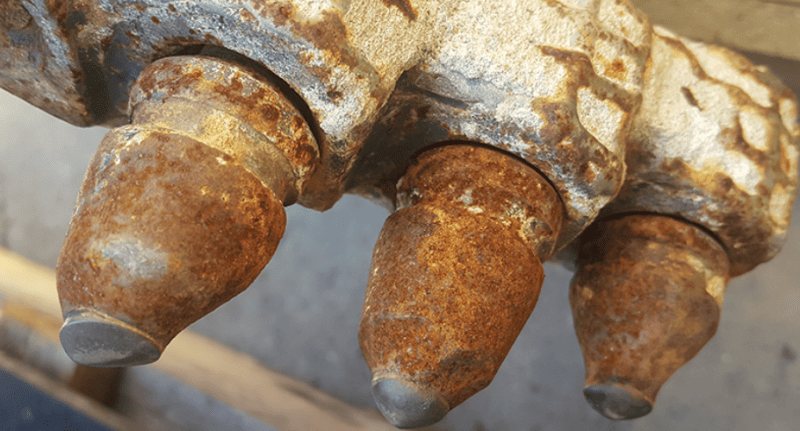
Excessive Carbide Tip Wear
The tungsten carbide tip provides the cutting edge required for penetrating hard and abrasive formations. Continuous contact with rock and gravel gradually wears down the tip.
When the carbide tip becomes significantly shortened, rounded, or uneven, the tooth may lose its ability to penetrate the formation effectively. Replacement should be considered when the remaining cutting profile can no longer provide reliable performance.
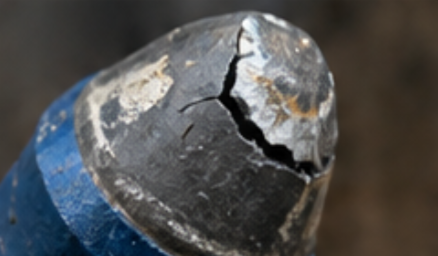
Cracked or Broken Carbide Tips
Impact loads and difficult geological conditions can cause cracks or fractures in carbide tips. A missing or broken carbide section reduces cutting effectiveness and may expose the steel body to accelerated wear.
Teeth with visibly cracked, chipped, or missing carbide tips should be replaced rather than returned to normal drilling service.
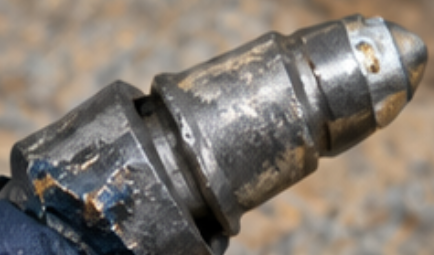
Bent or Damaged Tooth Bodies
The steel body supports the carbide tip and transfers impact forces into the cutting tool. Excessive impact, incorrect installation, or unsuitable operating conditions may cause deformation or structural damage.
Bent, heavily worn, or cracked tooth bodies should be replaced because they may no longer maintain the correct cutting position.
How Worn Bullet Teeth Affect Drilling Performance
Continuing to use worn bullet teeth can affect several aspects of drilling operations.
- Reduced penetration rate: Blunt cutting edges require more effort to penetrate the formation, potentially slowing drilling progress.
- Increased mechanical resistance: Poor cutting performance can increase the load on the drilling system.
- Uneven cutting: Different levels of wear across the teeth can create an unbalanced cutting arrangement.
- Increased maintenance costs: Delayed replacement may cause additional damage to tooth holders and surrounding cutting components.
- Unstable drilling performance: Damaged teeth can make cutting conditions less consistent, particularly in hard or abrasive formations.
Replacing worn teeth at the appropriate time helps maintain the performance of drilling buckets and augers.
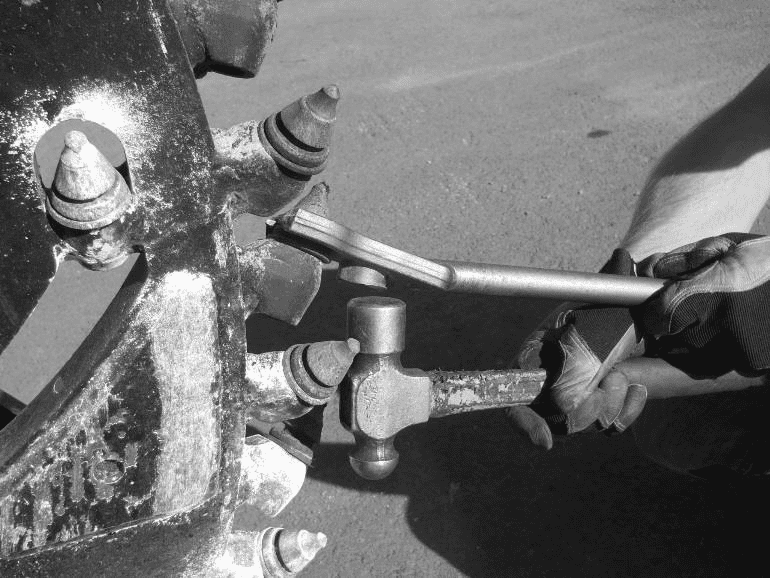
Factors That Influence Bullet Teeth Replacement Frequency
There is no universal replacement interval for bullet teeth. Their service life depends on several operating conditions.
Geological Conditions
Rock hardness, abrasiveness, and the presence of gravel or cobbles have a direct effect on tooth wear. Highly abrasive formations generally cause faster wear than softer soil conditions.
Bullet Teeth Arrangement on Different Drilling Tools
Bullet teeth arrangement affects wear rate and replacement frequency. Tooth spacing and positioning determine load distribution, while teeth in high-impact areas may wear faster and require more frequent inspection and replacement.
Drilling Equipment and Operating Parameters
Drilling torque, penetration pressure, rotation speed, and operating technique influence the loads applied to bullet teeth. Excessive pressure or unsuitable operating parameters may accelerate damage.
Tooth Material and Design
Carbide grade, tooth geometry, steel body quality, and manufacturing precision all influence wear resistance and impact performance. Different tooth designs are intended for different ground conditions.
Tooth and Holder Compatibility
Incorrect matching between bullet teeth and holders can result in poor seating, excessive movement, or abnormal loading. The correct tooth model and holder dimensions should always be confirmed before installation.
How to Inspect Bullet Teeth Before Replacement
A regular inspection helps identify damaged teeth before they significantly affect drilling operations.
The following points should be checked:
- Carbide tip condition: Look for cracks, missing sections, chipping, and excessive rounding.
- Tooth body condition: Check for bending, fractures, and abnormal surface wear.
- Tooth rotation: For rotating bullet tooth designs, check whether the tooth can rotate freely as intended.
- Holder condition: Inspect the holder for deformation, cracks, and excessive wear.
- Installation security: Confirm that each tooth is correctly seated and secured according to the manufacturer’s requirements.
Teeth showing structural damage or significant cutting deterioration should be replaced. Holder damage should also be addressed before installing new teeth.
How to Extend Bullet Teeth Service Life
Although bullet teeth are wear components, proper operation and maintenance can help improve their service life.
- Select tooth designs suitable for the geological conditions.
- Confirm compatibility between the tooth model and holder.
- Arrange bullet teeth according to the drilling tool design and ensure proper spacing and positioning.
- Inspect cutting components regularly, especially when drilling abrasive formations.
- Avoid excessive penetration pressure and unsuitable operating parameters.
- Replace damaged teeth promptly to prevent abnormal loading on surrounding components.
- Maintain consistent inspection records to monitor wear patterns and replacement requirements.
Using suitable tooth designs, proper tooth arrangements, and appropriate drilling parameters can help reduce uneven wear and extend bullet teeth service life.
Choosing the Right Replacement Bullet Teeth
Replacement bullet teeth should be selected according to the drilling tool design, holder dimensions, ground conditions, and equipment requirements.
Important considerations include:
- Tooth model and dimensional compatibility
- Carbide tip material and geometry
- Steel body strength and wear resistance
- Expected impact and abrasive conditions
- Compatibility with the existing tooth holder
Using the correct replacement model helps maintain proper installation and cutting performance. Contractors should confirm the original tooth specifications or provide the existing tooth sample and holder dimensions before ordering replacement parts.
Conclusion
Replacing bullet teeth at the right time is important for maintaining cutting efficiency and protecting rotary drilling tools. Regularly checking carbide tips, tooth bodies, holders, and installation conditions helps identify wear before it leads to more serious equipment problems.
Selecting compatible replacement teeth and matching their design to the ground conditions can also improve drilling performance and reduce unnecessary maintenance costs.
FAQs(Frequently Asked Questions)
There is no fixed replacement interval. Replacement frequency depends on geological conditions, drilling intensity, tooth material, and operating parameters. Regular visual inspections are more reliable than following a fixed number of operating hours.
Slight wear does not always require immediate replacement. However, teeth with severely worn carbide tips, structural cracks, missing carbide sections, or deformed bodies should be replaced before further operation.
Not necessarily. If the holder remains structurally sound and maintains the correct fit, only the worn tooth may need replacement. However, cracked, deformed, or excessively worn holders should also be replaced.
Premature wear may result from unsuitable tooth selection, highly abrasive formations, incorrect installation, poor holder compatibility, or inappropriate drilling parameters.