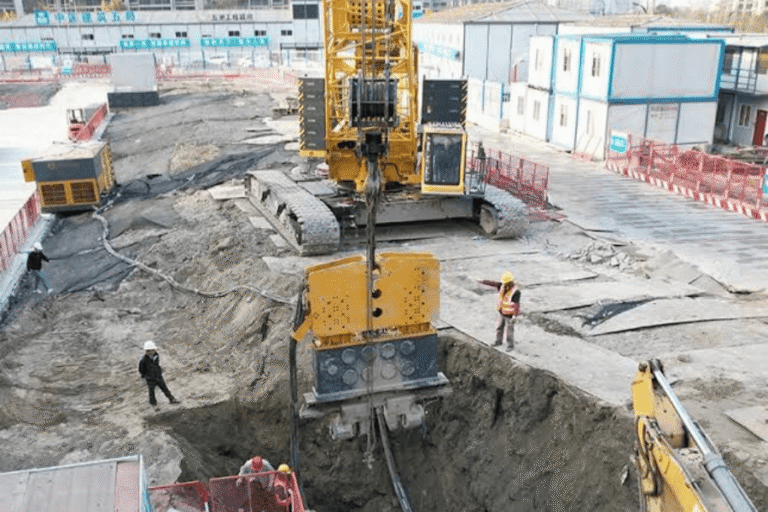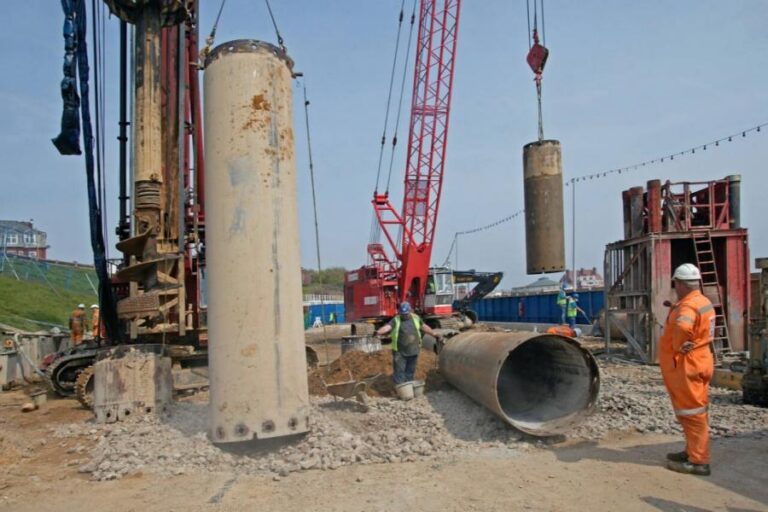

In bored pile construction, maintaining borehole stability is one of the biggest challenges, especially when projects involve unstable soil, groundwater, large pile diameters, or complex geological conditions. A casing oscillator is a specialized foundation drilling attachment designed to install and extract temporary casing with controlled rotation and vertical force, helping contractors achieve safer and more accurate pile construction.
By working together with rotary drilling rigs, casing oscillators provide additional support in difficult ground conditions where conventional drilling methods may face problems such as borehole collapse, excessive soil movement, or casing installation difficulties.
What Is a Casing Oscillator?
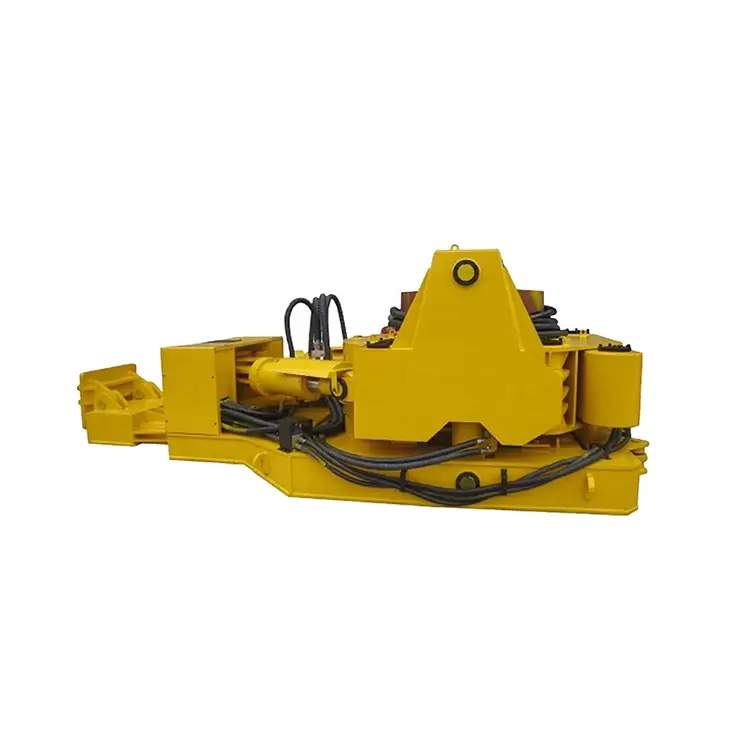
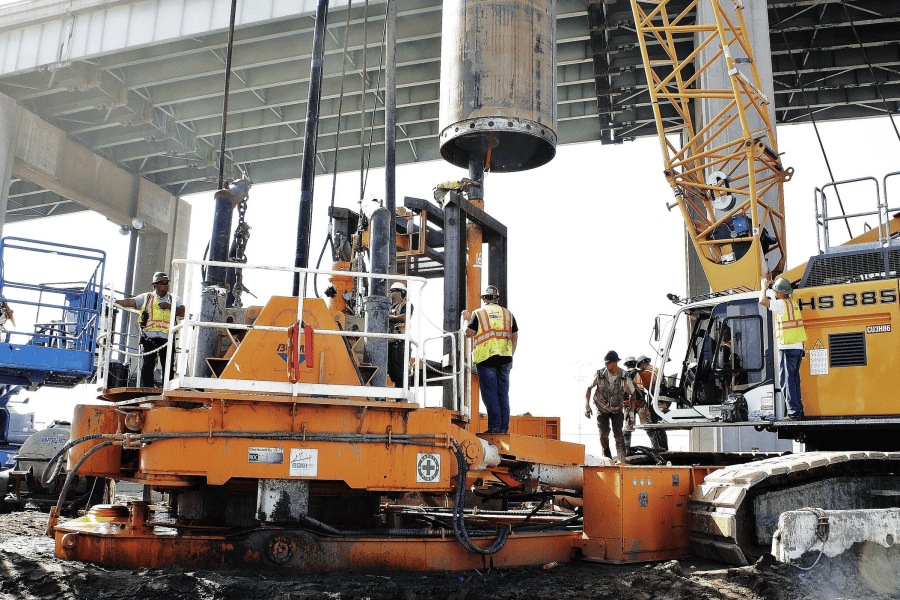
A casing oscillator is a hydraulic-powered device used to drive temporary casing into the ground during bored pile construction. Unlike traditional casing installation methods that rely mainly on vibration or impact force, a casing oscillator applies controlled rotational movement and vertical pressure to gradually advance the casing.
The main components typically include:
- Hydraulic cylinders
- Casing clamping system
- Rotation mechanism
- Hydraulic power unit
- Control system
During operation, the oscillator grips the casing and applies alternating rotation while pushing the casing downward. This process reduces friction between the casing and surrounding soil, allowing installation in challenging ground conditions.
Why Are Casing Oscillators Used in Bored Pile Construction?
Temporary casing plays an important role in stabilizing boreholes during drilling. However, installing casing can become difficult when encountering unstable formations.
Casing oscillators help solve these challenges by providing:
Improved Borehole Stability
In loose soil, sandy layers, or areas with high groundwater levels, boreholes may collapse before reinforcement and concrete placement are completed.
A casing oscillator allows temporary casing to be installed progressively during drilling, supporting the surrounding soil and maintaining borehole integrity.
Better Performance in Difficult Ground Conditions
Some construction sites include:
- Loose sand
- Gravel layers
- Boulder formations
- Weathered rock
- Mixed soil conditions
These formations can make conventional drilling methods less effective. The controlled oscillation force helps casing penetrate through difficult layers while reducing excessive ground disturbance.
Increased Accuracy for Large Diameter Piles
Large diameter bored piles require precise alignment and stable excavation conditions.
Casing oscillators help maintain:
- Vertical borehole alignment
- Stable casing position
- Controlled excavation conditions
This is especially important for bridge foundations, high-rise buildings, and major infrastructure projects.
How Does a Casing Oscillator Work?
The working process generally includes several steps:
1. Positioning the Casing
The temporary casing is placed at the planned pile location and connected to the casing oscillator.
2. Clamping and Rotation
The oscillator grips the casing and applies rotational movement through its hydraulic system.
The repeated rotation helps reduce soil resistance around the casing surface.
3. Pressing the Casing into the Ground
While rotating, the oscillator applies downward force to push the casing deeper into the formation.
This combination of rotation and pressure improves penetration efficiency.
4. Drilling Inside the Casing
After the casing reaches the required depth, the rotary drilling rig removes soil and rock inside the protected section.
The casing continues to provide support during excavation.
5. Concrete Placement and Casing Removal
After reinforcement installation and concrete pouring, the temporary casing can be gradually removed using the oscillator.
Casing Oscillator Applications in Foundation Projects
Casing oscillators are commonly used in projects where borehole stability is critical.
Bridge Foundation Construction
Bridge piles often require large diameters and deep drilling depths. Casing oscillators help maintain stable pile holes near rivers, soft ground, and variable geological conditions.
Urban Construction Projects
In cities, construction sites often have limited space and strict requirements regarding vibration and ground movement.
Compared with impact-based casing installation methods, casing oscillators provide more controlled operation.
Large Diameter Bored Piles
For piles with large diameters, maintaining vertical accuracy and preventing collapse are major concerns.
Casing oscillators provide additional support during casing installation and drilling operations.
Casing Oscillator vs Traditional Casing Installation Methods
Different casing installation methods have different advantages depending on project conditions.
| Method | Advantages | Limitations |
|---|---|---|
| Casing Oscillator | High control, strong penetration ability, suitable for difficult ground | Requires supporting equipment |
| Vibratory Casing Installation | Fast installation in suitable soil | Limited in sensitive areas |
| Rotary Casing Installation | Simple operation | Less effective in hard formations |
Casing oscillators are particularly valuable when ground conditions require stronger casing penetration and better borehole control.
Working with Rotary Drilling Rigs
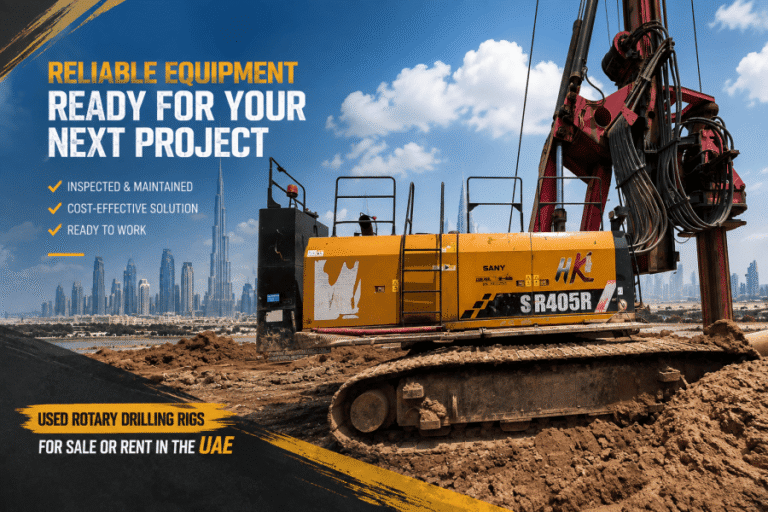
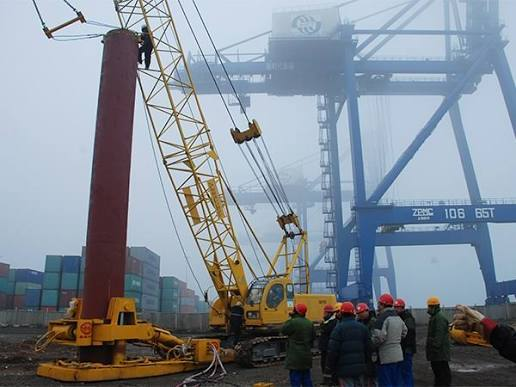
A casing oscillator is often used together with rotary drilling rigs to complete deep foundation projects.
A typical construction process includes:
Casing Oscillator → Temporary Casing Installation → Rotary Drilling → Reinforcement Placement → Concrete Pouring → Casing Extraction
The combination allows contractors to handle challenging projects that may not be possible with rotary drilling alone.
Factors to Consider When Selecting a Casing Oscillator
Choosing the correct casing oscillator depends on several project requirements:
Casing Diameter
The oscillator capacity must match the required casing size and pile diameter.
Ground Conditions
Consider:
- Soil type
- Rock hardness
- Groundwater conditions
- Presence of boulders
Project Requirements
Important factors include:
- Required pile depth
- Construction speed
- Available equipment
- Site conditions
Equipment Compatibility
The casing oscillator should work effectively with the selected rotary drilling rig and supporting equipment.
Benefits of Using a Casing Oscillator
For challenging bored pile projects, casing oscillators provide several advantages:
- Improved borehole stability
- Reduced risk of collapse
- Better drilling accuracy
- Suitable for difficult formations
- Controlled casing installation
- Improved construction reliability
Conclusion
Casing oscillators play an important role in modern bored pile construction by improving casing installation efficiency and maintaining borehole stability in challenging ground conditions.
When combined with rotary drilling rigs, they provide contractors with a reliable solution for large diameter piles, deep foundations, and complex geological environments. Selecting the right casing oscillator according to project requirements can help improve construction safety, efficiency, and overall pile quality.
Frequently Asked Questions(FAQ)
A casing oscillator is used to install and remove temporary casing during bored pile construction, helping maintain borehole stability in difficult ground conditions.
Yes. Casing oscillators are commonly used together with rotary drilling rigs for large diameter and deep foundation projects.
It is recommended for projects involving unstable soil, groundwater, large diameter piles, or challenging geological conditions.
A casing oscillator uses controlled oscillating rotation, while a casing rotator provides continuous rotary movement. The suitable choice depends on project requirements and ground conditions.
They are widely used in bridge foundations, high-rise buildings, infrastructure projects, and large-scale bored pile construction.