
In rotary drilling operations, auger teeth are critical wear components that directly affect cutting efficiency, drilling speed, and tool service life. Although the auger structure provides support and material transportation, the teeth perform the actual cutting and penetration work during excavation.
As the first contact point between the drilling tool and the ground, auger teeth are exposed to continuous impact, abrasion, and high mechanical loads. Selecting the correct tooth design and material is essential for maintaining stable drilling performance and reducing replacement frequency.
This guide explains different types of auger teeth, commonly used materials, wear factors, and practical replacement tips for rotary drilling applications.
What Are Auger Teeth?
Auger teeth are replaceable cutting components installed on the cutting edge of rotary drilling augers. Their primary function is to penetrate, cut, and break the formation during drilling.
Unlike the auger body, which mainly supports excavation and transports material, the teeth are responsible for:
- Creating initial ground penetration
- Breaking soil or rock particles
- Maintaining cutting efficiency
- Reducing drilling resistance
Because auger teeth experience direct contact with the formation, they are usually designed as replaceable wear parts to minimize maintenance costs and protect the main auger structure.
Main Types of Auger Teeth
Different drilling applications require different auger tooth designs. The cutting teeth are the components that directly contact the ground and determine drilling efficiency, penetration performance, and wear resistance.
Selecting the correct tooth type according to the formation helps reduce drilling resistance, extend tool service life, and improve overall productivity. Rockway supplies a range of auger teeth for rotary drilling applications, including soil teeth, flat teeth, and bullet teeth, designed for different ground conditions.
1. Soil Teeth
Soil teeth are designed for rotary drilling applications in soft to medium-density formations where efficient cutting and fast material removal are required.
Compared with heavy-duty rock-cutting teeth, soil teeth focus on sharp cutting performance and reduced penetration resistance. They are commonly installed on soil augers used for general foundation drilling projects.
Rockway supplies 25RC12 Soil Teeth and V20 Soil Teeth for different soil excavation requirements.
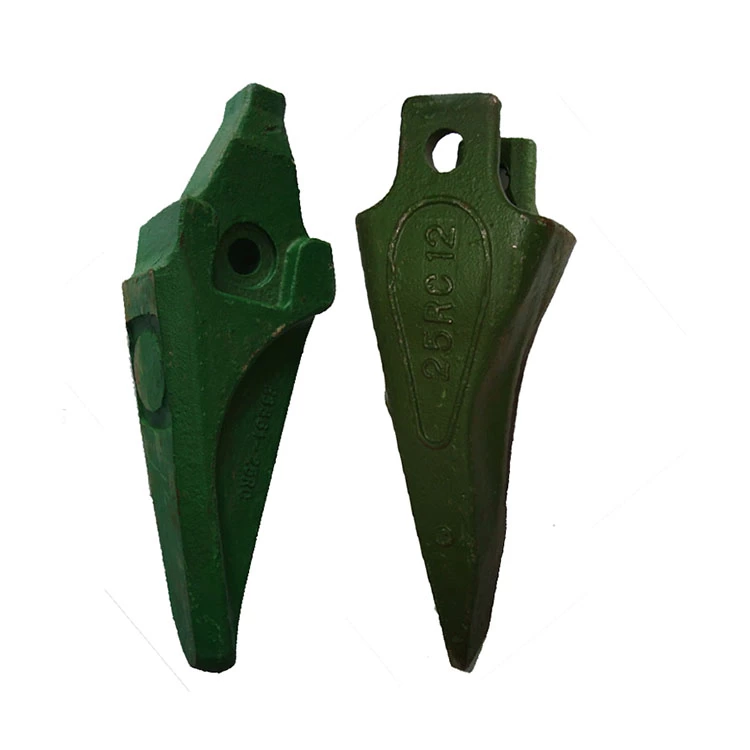
25RC12 Soil Teeth
The 25RC12 Soil Tooth is a commonly used cutting tooth for standard rotary drilling augers. Its sharp cutting edge provides efficient penetration in non-abrasive soil conditions.
Typical applications:
- Clay
- Silt
- Soft soil
- Loose sand
- General foundation drilling
Key features:
- Sharp cutting edge for efficient soil penetration
- High-strength alloy steel body
- Good wear resistance in normal soil conditions
- Effective soil cutting and material removal
- Easy replacement and maintenance
The 25RC12 Soil Tooth is a reliable choice for contractors looking for stable drilling performance and efficient excavation in soft ground conditions.
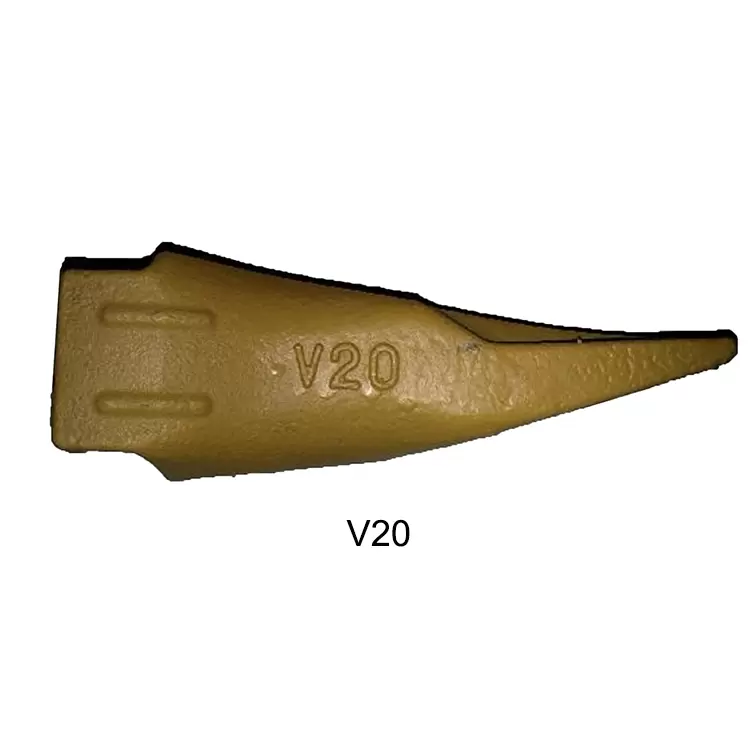
V20 Soil Teeth
The V20 Soil Tooth is designed for higher excavation efficiency in cohesive soils and continuous drilling operations. Its optimized cutting profile improves penetration performance while helping reduce soil accumulation around the cutting area.
Typical applications:
- Sticky clay
- Cohesive soil
- Silty clay
- Soft mixed formations
Key features:
- Larger cutting profile for increased excavation capacity
- Improved soil discharge performance
- Strong alloy steel construction
- Stable operation during long drilling cycles
V20 Soil Teeth are suitable for projects requiring higher productivity and consistent cutting performance.
2. Flat Teeth
Flat teeth are widely used on soil augers and general-purpose drilling tools where a wider cutting surface is required for efficient soil excavation.
Unlike pointed soil teeth, flat teeth provide a broader contact area with the formation, allowing effective scraping and cutting performance in softer ground conditions.
Rockway supplies BFZ80 Flat Teeth for rotary drilling applications requiring reliable wear resistance and efficient material removal.
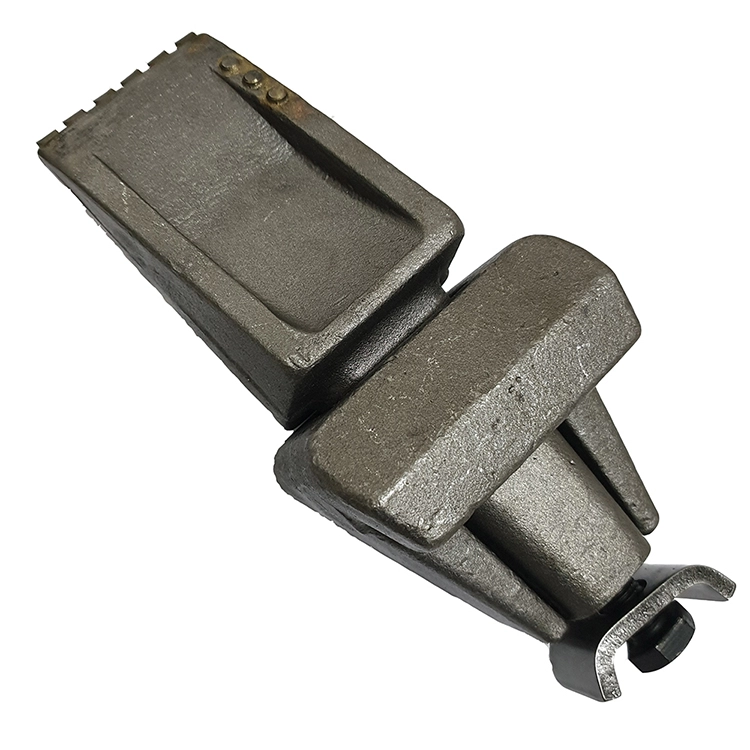
BFZ80 Flat Teeth
The BFZ80 Flat Tooth is designed for soil excavation and drilling applications where durability and cutting efficiency are important.
Typical applications:
- Clay
- Dense soil
- Sand
- Soft mixed formations
Key features:
- Wide cutting profile for efficient soil removal
- Strong wear-resistant structure
- Stable cutting performance
- Suitable for continuous drilling operations
- Easy installation and replacement
BFZ80 Flat Teeth provide a practical solution for contractors requiring a balance between cutting efficiency and service life in soil drilling applications.
3. Bullet Teeth
Bullet teeth are heavy-duty cutting components designed for demanding rotary drilling applications where higher penetration force and wear resistance are required.
Unlike soil and flat teeth, bullet teeth use a concentrated cutting design that allows them to penetrate harder and more abrasive formations. They are commonly installed on rock augers and heavy-duty drilling tools.
Rockway supplies B47K22H Bullet Teeth for challenging foundation drilling conditions.
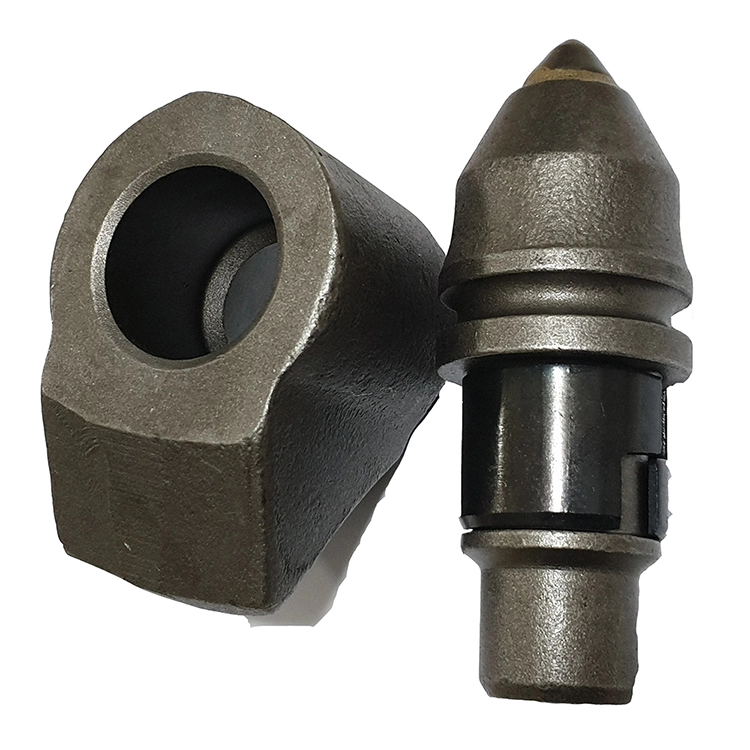
B47K22H Bullet Teeth
The B47K22H Bullet Tooth is a tungsten carbide tipped drilling tooth designed for high-wear and high-impact applications.
Typical applications:
- Gravel
- Cobbles
- Mixed ground
- Hard soil
- Weathered rock
Key features:
- YG11C tungsten carbide tip for excellent wear resistance
- Forged alloy steel body for high impact strength
- Strong penetration capability
- Long service life in abrasive formations
- Reduced replacement frequency and downtime
The combination of a tough alloy steel body and tungsten carbide cutting tip allows the B47K22H to maintain reliable cutting performance under demanding drilling conditions.
Soil Teeth vs. Flat Teeth vs. Bullet Teeth
| Feature | Soil Teeth (25RC12 / V20) | Flat Teeth (BFZ80) | Bullet Teeth (B47K22H) |
|---|---|---|---|
| Main Function | Fast soil cutting | Wide-area soil excavation | Penetrating hard and abrasive formations |
| Recommended Ground | Clay, silt, soft soil | Clay, dense soil, sand | Gravel, cobbles, mixed ground, weathered rock |
| Cutting Method | Sharp edge cutting | Scraping and cutting | Penetration and impact cutting |
| Material | Alloy steel | Wear-resistant alloy steel | Alloy steel body + YG11C carbide tip |
| Wear Resistance | Medium | Medium to high | High |
| Main Advantage | Fast excavation | Efficient material removal | Long service life in harsh conditions |
Choosing the right auger teeth based on ground conditions is essential for maintaining drilling efficiency, reducing wear on drilling tools, and minimizing operating costs.
Materials Used in Auger Teeth
The performance and service life of auger teeth depend greatly on material selection. High-quality drilling teeth require a strong tooth body to withstand impact loads and a wear-resistant cutting section to maintain cutting performance during continuous drilling operations.
Different auger teeth models use different material combinations according to their working conditions. Rockway selects suitable alloy steel and tungsten carbide materials to achieve a balance between strength, impact resistance, and wear performance.
Alloy Steel Tooth Body
The tooth body is usually manufactured from high-strength alloy steel.
For example, 25RC Soil Teeth and BFZ80 Flat Teeth use 35MnB alloy steel as the tooth body material, providing excellent toughness and durability for soil excavation and rotary drilling applications.
Important properties include:
- High toughness
- Impact resistance
- Resistance to deformation
- Good fatigue performance
- Reliable performance under repeated drilling loads
Heat treatment processes improve the hardness and durability of alloy steel bodies, allowing the teeth to withstand continuous impact and mechanical stress during drilling operations.
For heavy-duty bullet teeth, such as B47K22H Bullet Teeth, the tooth body is manufactured from 42CrMo alloy steel, which provides higher strength and excellent impact resistance for demanding drilling conditions.
Tungsten Carbide Cutting Tip
The cutting tip is the most important wear-resistant section of many heavy-duty auger teeth. Tungsten carbide is widely used because it maintains cutting performance under high-abrasion drilling conditions.
Rockway BFZ80 Flat Teeth and B47K22H Bullet Teeth use tungsten carbide cutting tips to improve wear resistance and extend service life.
Material specifications:
- BFZ80 Flat Teeth: Tungsten Carbide YG11C + 35MnB Alloy Steel
- B47K22H Bullet Teeth: Tungsten Carbide + 42CrMo Alloy Steel
Tungsten carbide provides:
- High hardness
- Excellent abrasion resistance
- Stable cutting ability under heavy loads
- Longer service life in abrasive formations
For example, tungsten carbide is widely used in drilling teeth because it provides an excellent balance between wear resistance and impact strength, allowing auger teeth to maintain reliable cutting performance in demanding rotary drilling applications.
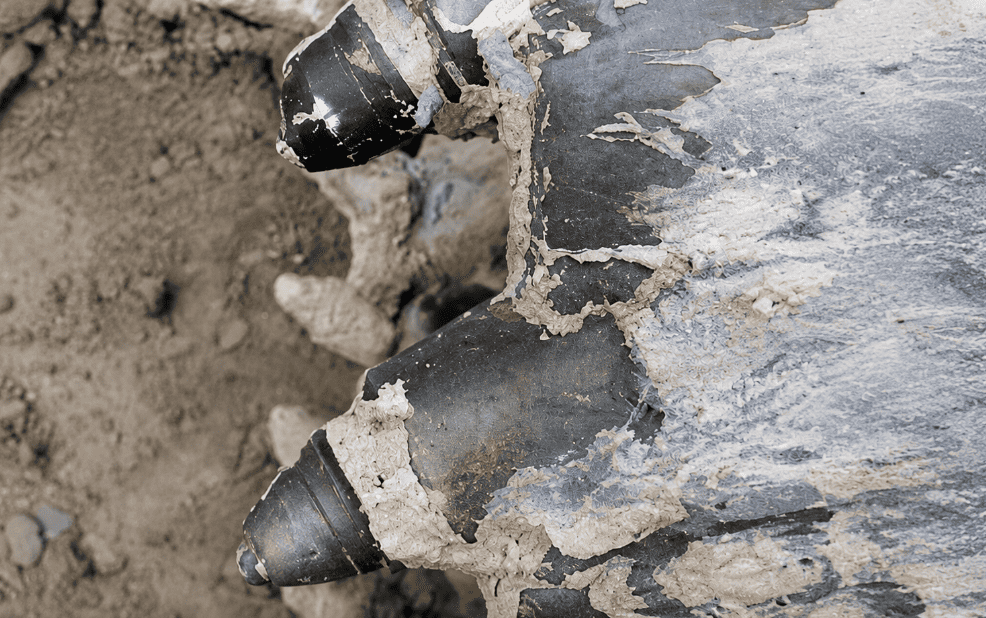
Auger Teeth Wear Mechanisms
Understanding how teeth wear helps contractors improve maintenance planning.
Abrasive Wear
Abrasive wear occurs when hard particles in the ground gradually remove material from the tooth surface.
Common causes:
- Gravel layers
- Sandy formations
- Abrasive rock particles
Impact Damage
Impact damage happens when teeth encounter large stones, cobbles, or hard inclusions.
Possible results:
- Cracked carbide tips
- Broken tooth bodies
- Damaged holders
Cutting Edge Wear
Continuous drilling gradually reduces the sharpness of the cutting edge.
Effects include:
- Reduced penetration speed
- Increased rotary torque
- Higher fuel consumption
How to Select the Right Auger Teeth
Selecting teeth should be based on several factors.
Ground Abrasiveness
Different formations create different wear levels.
Consider:
- Soil hardness
- Rock content
- Abrasion level
More abrasive formations require stronger carbide protection.
Tooth Compatibility
The tooth must match:
- Tooth holder design
- Pin system
- Auger cutting edge structure
Incorrect matching may cause:
- Loose teeth
- Uneven wear
- Reduced cutting performance
Drilling Requirements
Consider:
- Required drilling speed
- Borehole diameter
- Operating conditions
- Expected service life
The best tooth choice balances cutting efficiency and durability.
When Should Auger Teeth Be Replaced?
There is no fixed replacement interval because tooth life depends on operating conditions.
However, replacement is recommended when:
Carbide Tip Damage Appears
Replace teeth if:
- Carbide inserts are missing
- Tips are cracked
- Cutting surfaces are severely damaged
Drilling Efficiency Decreases
Signs include:
- Slower penetration
- Increased machine load
- Higher torque requirements
Tooth Holders Begin Wearing
Operating with worn holders may cause:
- Poor tooth positioning
- Accelerated wear
- Damage to the auger body
Tips to Extend Auger Teeth Service Life
Inspect Teeth Regularly
Before and after drilling operations, check:
- Tooth condition
- Holder wear
- Retaining pins
- Cutting edge condition
Replace Worn Teeth Timely
Operating with severely worn teeth increases stress on:
- Auger flights
- Cutting edge
- Drilling rig
Early replacement helps reduce repair costs.
Use the Correct Tooth for the Application
Using soil teeth in highly abrasive conditions or unsuitable teeth in hard formations can significantly reduce service life.
Auger Teeth Maintenance Checklist
| Inspection Item | Recommended Action |
|---|---|
| Tooth tip | Check for cracks and excessive wear |
| Tooth body | Inspect deformation and damage |
| Holder | Check looseness and wear |
| Retaining pin | Ensure secure installation |
| Cutting edge | Inspect uneven wear |
Regular maintenance improves drilling consistency and prevents unexpected downtime.
Common Mistakes When Using Auger Teeth
Replacing Teeth Too Late
Completely worn teeth reduce drilling efficiency and may damage the auger structure.
Mixing Different Tooth Types
Using different tooth designs on the same cutting system may create uneven cutting performance.
Ignoring Holder Condition
A new tooth cannot perform properly if the holder is worn or damaged.
Conclusion
Auger teeth are essential cutting components that determine the efficiency and reliability of rotary drilling operations. Choosing the correct tooth type, understanding material properties, and performing timely replacement can significantly improve drilling performance.
Soil teeth are suitable for general excavation, while bullet teeth and tungsten carbide teeth provide better durability for abrasive and demanding conditions.
For foundation contractors, proper auger teeth selection and maintenance not only reduce downtime but also extend the service life of drilling tools and improve overall project efficiency.
Frequently Asked Questions(FAQ)
Auger teeth are replaceable cutting components installed on rotary drilling augers. Their main function is to penetrate, cut, and break soil or rock formations during excavation. They directly affect drilling efficiency, penetration speed, cutting performance, and overall tool service life.
The main types of auger teeth include:
Soil Teeth – Designed for soft to medium-density formations such as clay, silt, and loose soil.
Flat Teeth – Suitable for general soil excavation where a wider cutting surface is required.
Bullet Teeth – Heavy-duty teeth used for abrasive formations such as gravel, cobbles, mixed ground, and weathered rock.
Choosing the correct tooth type according to ground conditions helps improve drilling performance and reduce wear.
Auger teeth are typically manufactured using high-strength alloy steel and tungsten carbide materials.
Alloy steel tooth body: Provides toughness, impact resistance, and structural strength.
Tungsten carbide cutting tip: Provides excellent hardness and wear resistance for demanding drilling conditions.
For example, B47K22H bullet teeth use a tungsten carbide tip combined with a 42CrMo alloy steel body for high-impact and abrasive drilling applications.
The correct auger teeth selection depends on:
Ground conditions and soil hardness
Abrasiveness of the formation
Drilling tool design and tooth holder compatibility
Required drilling speed and service life expectations
Soil teeth are suitable for softer formations, while bullet teeth are recommended for harder and more abrasive ground conditions.
Auger teeth should be replaced when signs of excessive wear or damage appear, including:
Cracked or missing carbide tips
Reduced drilling speed
Increased rotary torque
Damaged tooth bodies or worn holders
Poor cutting performance
Regular inspection and timely replacement help prevent damage to the auger body, reduce downtime, and maintain efficient drilling operations.