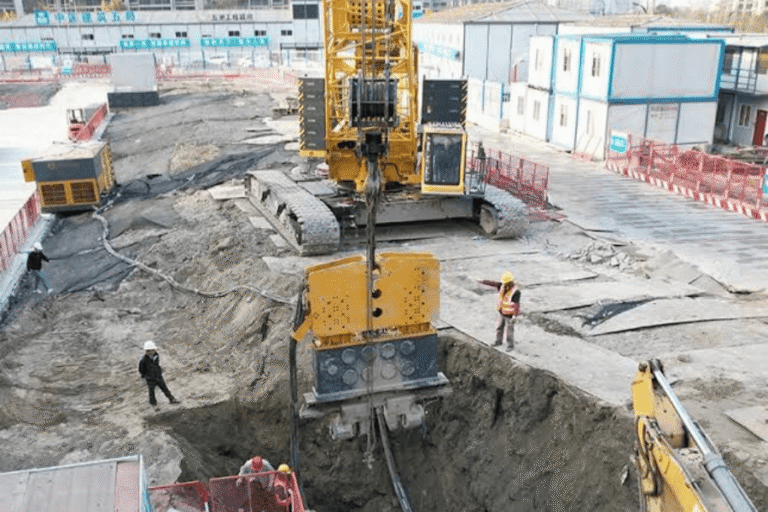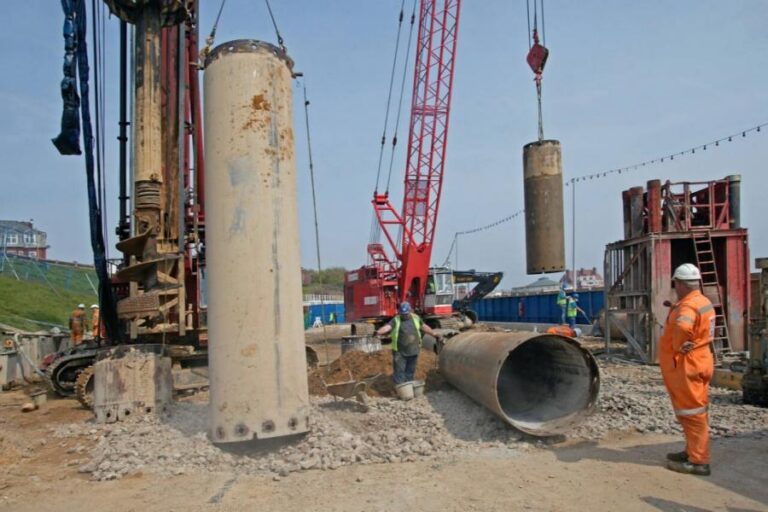

When drilling reaches hard rock, boulders, or a rock-socketed pile, a standard drilling bucket or auger may no longer be the best choice. This is where a core barrel becomes useful. Designed to cut around the rock and remove the core, it allows rotary drilling rigs to continue working in formations that are difficult to break with conventional tools.
Core barrels come in different designs, with cutting systems such as bullet teeth, roller bits, and crossing cutters. The right choice depends on the type of rock, its hardness and abrasiveness, as well as the drilling rig being used. Choosing a suitable core barrel can improve penetration, reduce unnecessary tooth or cutter wear, and help keep the drilling operation running smoothly.
This guide explains the main types of core barrels, their applications, advantages, and how to select the right type for different drilling conditions.
What Is a Core Barrel?
A core barrel is an essential drilling tool used in foundation engineering to efficiently cut through hard rock layers and recover cylindrical rock cores. It is commonly applied in rotary drilling projects where standard augers or buckets cannot effectively penetrate the formation.
It is commonly used for:
- Hard rock drilling
- Rock-socketed piles
- Boulder layers
- Concrete removal
- Deep foundation construction
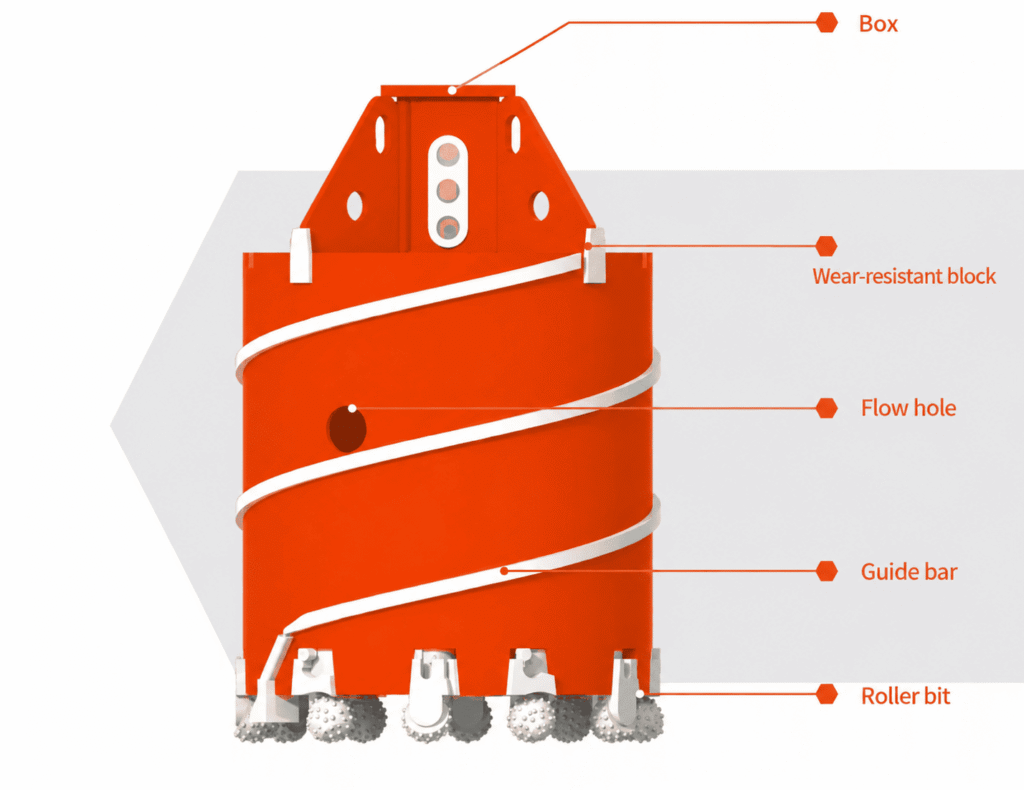
A typical core barrel consists of:
1. Barrel Body
The main structure provides strength and supports the cutting system during drilling.
2. Cutting Teeth or Rollers
The cutting elements directly contact the formation and determine drilling performance.
Common cutting systems include:
- Bullet teeth
- Roller bits
- Crossing cutters
3. Core Lifting System
The internal structure helps hold and remove the drilled rock core during extraction.
Main Types of Core Barrels
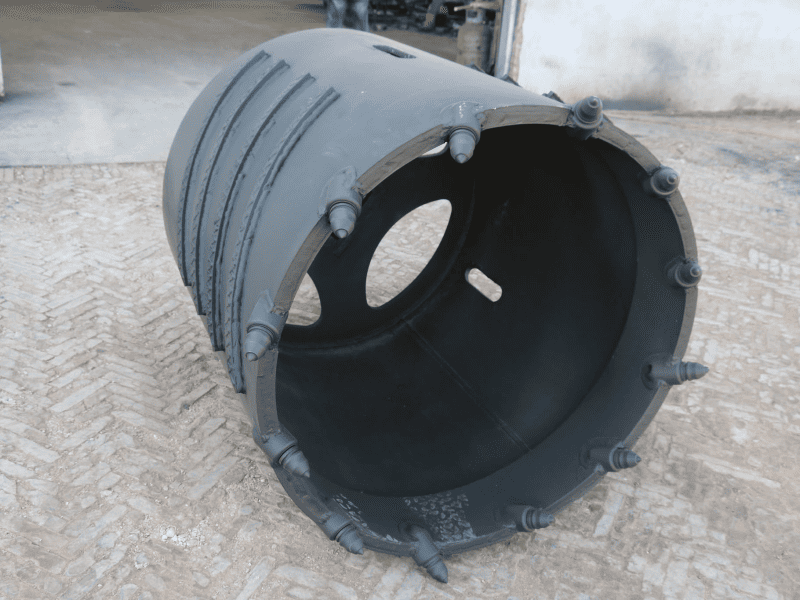
1. Core Barrel with Bullet Teeth
Core barrels with bullet teeth are widely used for drilling medium-hard rock, weathered rock, fractured formations, and mixed ground conditions.
The tungsten carbide tipped bullet teeth provide concentrated cutting force and efficient penetration.
Suitable Applications
Common applications include:
- Weathered rock
- Soft to medium-hard rock
- Limestone
- Sandstone
- Mixed soil and rock layers
- Boulder formations
Advantages
- High penetration efficiency
- Easy tooth replacement
- Good performance in mixed formations
- Lower maintenance cost compared with some roller systems
Limitations
For extremely hard and abrasive intact rock, bullet teeth may experience faster wear and reduced penetration performance compared with roller cutting systems.
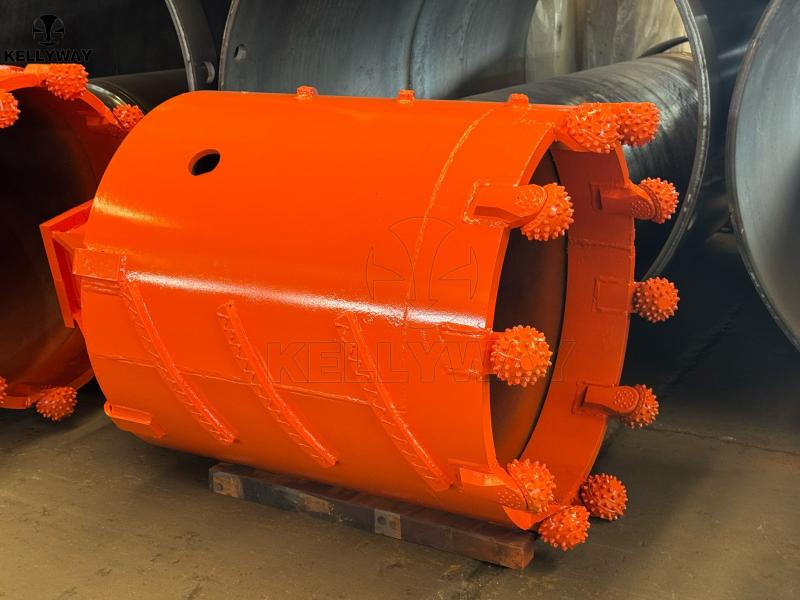
2. Core Barrel with Roller Bits
Core barrels with roller bits are designed for highly abrasive and competent rock formations where maximum cutting durability is required.
Roller cutters use rotating carbide or tungsten carbide elements to crush and fracture hard rock under high loads.
Suitable Applications
Common applications include:
- Granite
- Basalt
- Hard limestone
- Massive rock formations
- Highly abrasive rock
Advantages
- Excellent wear resistance
- Strong rock-breaking capability
- Suitable for high-strength rock
- Longer service life in abrasive conditions
Limitations
- Higher initial cost
- Requires proper maintenance and operating parameters
- May require higher drilling torque
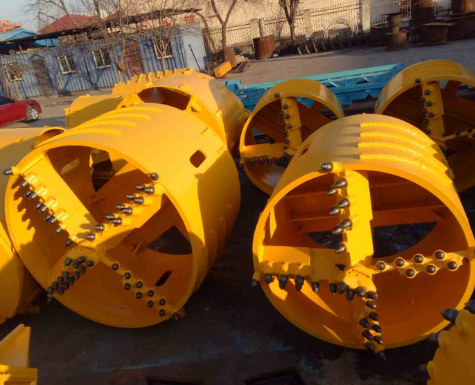
3. Core Barrel with Crossing Cutting
Crossing cutting core barrels use a cross-shaped cutting structure inside the barrel to improve rock breaking and core separation.
This design helps divide the extracted core into smaller sections, reducing the risk of core locking during lifting.
Suitable Applications
Common applications include:
- Hard rock formations
- Long continuous rock cores
- Rock-socketed pile drilling
- Deep foundation projects
Advantages
- Helps prevent oversized core formation
- Improves core breaking performance
- Reduces core jamming risk
- Improves lifting efficiency
Limitations
The selection depends on rock structure and drilling requirements.
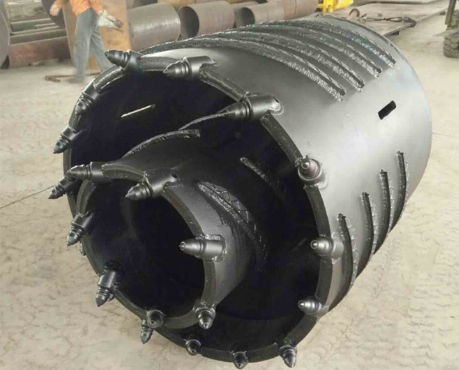
4. Double Cutting Core Barrel
Double cutting core barrels are designed with enhanced cutting arrangements to improve penetration performance in challenging formations.
They are commonly used when higher cutting efficiency is required.
Applications
- Medium to hard rock
- Mixed formations
- Large diameter bored piles
Core Barrel Types Comparison
| Core Barrel Type | Recommended Ground | Main Advantage |
|---|---|---|
| Bullet Teeth Core Barrel | Weathered rock, medium-hard rock, mixed ground | Fast penetration and easy maintenance |
| Roller Bit Core Barrel | Hard, abrasive, intact rock | High durability and rock-breaking ability |
| Crossing Cutting Core Barrel | Long core formations, hard rock | Reduces core locking risk |
| Flat Teeth Core Barrel | Soft rock, mixed soil-rock | Efficient cutting coverage |
| Double Cutting Core Barrel | Medium-hard rock, large diameter piles | Improved cutting efficiency |
How to Select the Right Core Barrel?
Selecting the correct core barrel depends on several factors.
1. Rock Hardness
Different rock strengths require different cutting systems.
Consider:
- Compressive strength
- Abrasiveness
- Rock integrity
Harder rock usually requires stronger cutting protection.
2. Rock Structure
Rock fracture conditions significantly affect drilling performance.
Fractured Rock
Recommended:
- Bullet teeth core barrels
because fragmented rock is easier to break and remove.
Massive Intact Rock
Recommended:
- Roller bit core barrels
because stronger crushing capability is required.
3. Bore Diameter and Drilling Depth
Large diameter and deep drilling projects require:
- Strong barrel structure
- High torque resistance
- Reliable cutting components
4. Drilling Rig Capability
The core barrel should match:
- Rotary torque
- Kelly bar capacity
- Lifting force
- Machine size
An oversized tool may reduce efficiency if the drilling rig cannot provide sufficient power.
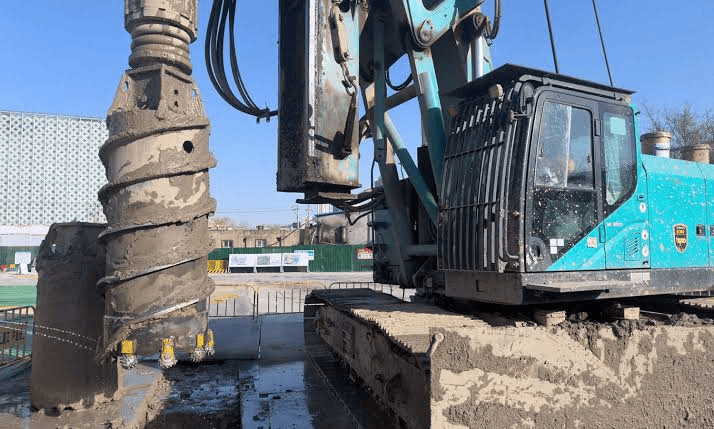
Core Barrel Maintenance Tips
To maximize service life:
Inspect Cutting Elements Regularly
Check:
- Tooth wear
- Roller condition
- Missing carbide tips
- Cutting edge damage
Avoid Excessive Pressure
Too much crowd force can accelerate:
- Cutter damage
- Barrel deformation
- Tool wear
Clean the Barrel Frequently
Remove:
- Rock debris
- Compacted material
- Broken cores
to reduce jamming risk.
Conclusion
Core barrels are critical drilling tools for challenging foundation projects, especially when working in hard rock, boulders, and rock-socketed pile applications.
The correct selection depends on the relationship between:
Rock Condition + Cutting System + Drilling Equipment + Operating Parameters
Bullet teeth core barrels provide efficient performance in mixed and medium-hard formations, while roller bit core barrels are better suited for hard and abrasive rock. Crossing cutting designs help improve core breaking and reduce the risk of tool locking.
By selecting the right core barrel type for each geological condition, contractors can improve drilling efficiency, extend tool life, and achieve more reliable foundation construction performance.
Frequently Asked Questions(FAQ)
A core barrel is used to drill through hard rock, boulders, and rock-socketed formations that are difficult to penetrate with conventional drilling buckets or augers. It cuts and removes cylindrical rock cores during foundation drilling.
The main types include bullet teeth core barrels, roller bit core barrels, crossing cutting core barrels, flat teeth core barrels, and double cutting core barrels. Each type is designed for different rock and drilling conditions.
Roller bit core barrels are generally suitable for hard, abrasive, and competent rock such as granite, basalt, and hard limestone. Their rolling cutters provide strong crushing and rock-breaking performance.
Bullet teeth core barrels are suitable for weathered rock, medium-hard rock, fractured formations, mixed ground, and boulders. They offer efficient penetration and relatively easy tooth replacement.
Selection should consider rock hardness, abrasiveness, rock structure, bore diameter, drilling depth, and rotary drilling rig capability. The cutting system should match the geological conditions and the rig’s available torque, crowd force, and lifting capacity.