In rotary drilling and foundation construction, selecting the correct flat teeth has a direct impact on drilling efficiency, tool service life, and project cost.
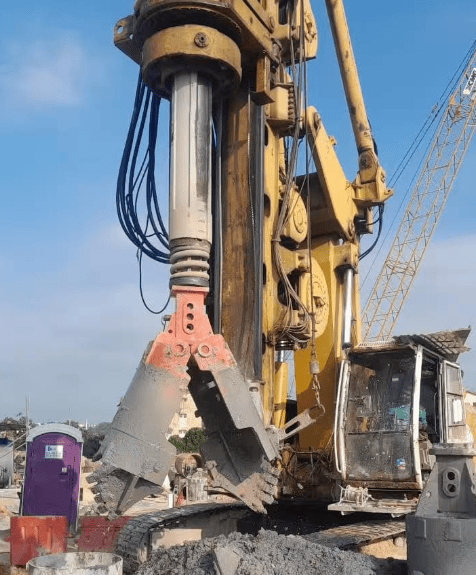
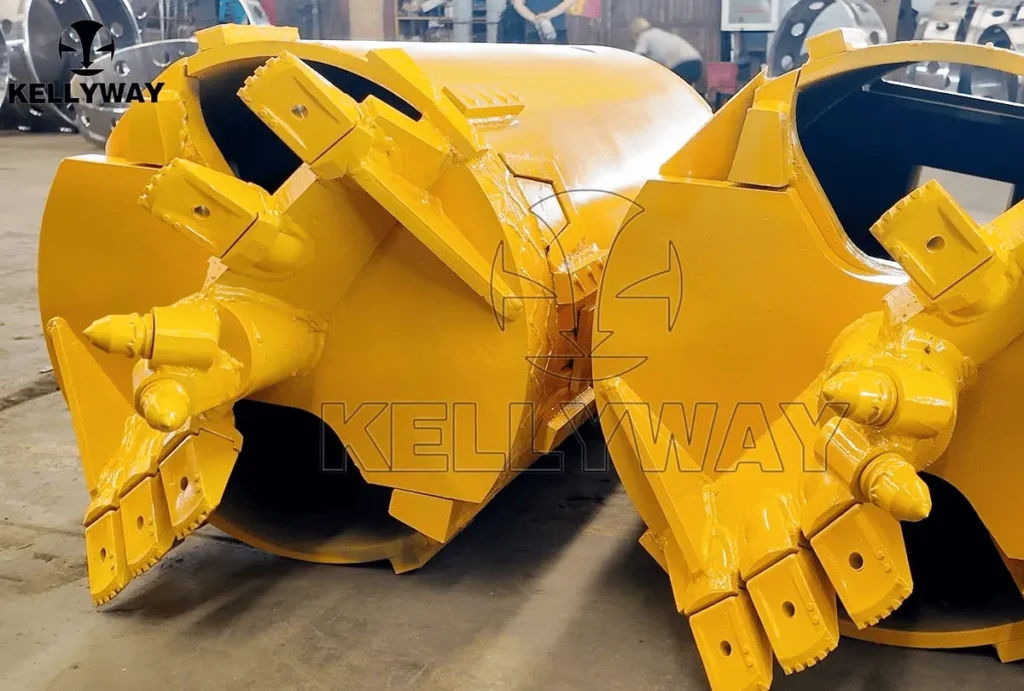
Flat teeth are widely installed on rotary drilling buckets, cleaning buckets, and other drilling tools for bored pile construction. They are mainly used for cutting and removing soil layers such as clay, sand, gravel, and mixed formations.
Among different flat tooth models, BFZ70, BFZ72, and BFZ80 Flat Teeth are commonly used in foundation drilling applications. Although these models share similar designs, differences in size, cutting area, impact resistance, and wear performance make them suitable for different working conditions.
Choosing the right model requires consideration of:
- Soil conditions
- Drilling rig torque
- Bucket design
- Required drilling efficiency
- Expected service life
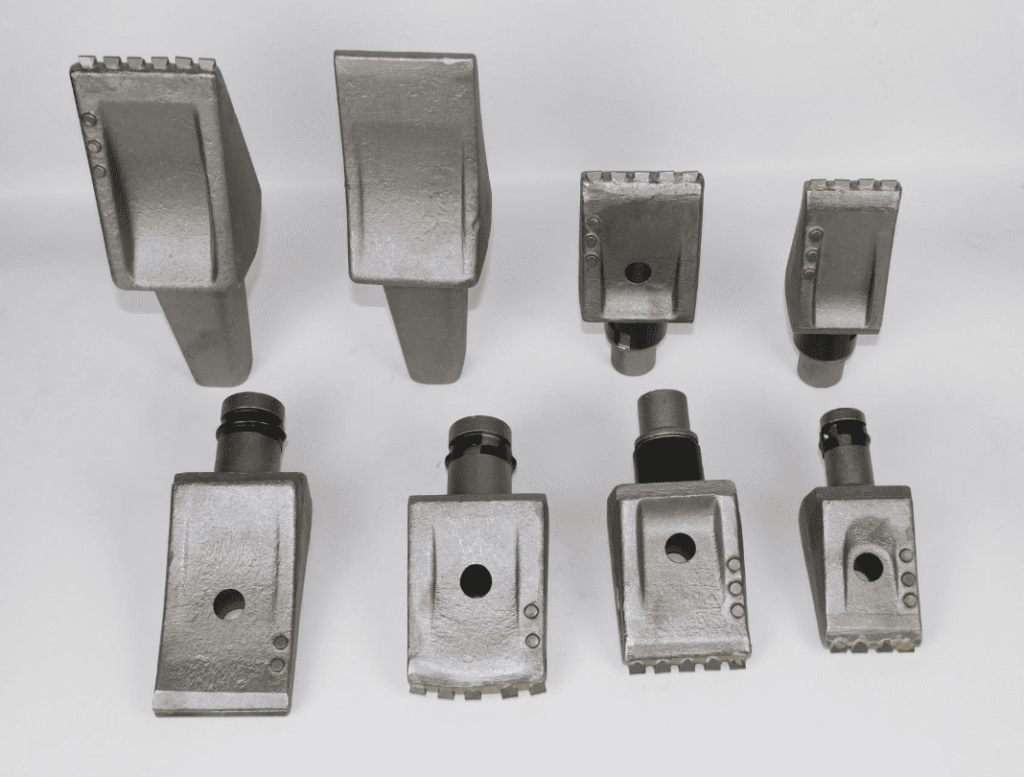
What Are Flat Teeth for Rotary Drilling?
Flat teeth are replaceable cutting components mounted on rotary drilling tools. During operation, they transfer the force generated by the drilling rig into the ground and remove soil through cutting and scraping action.
Compared with bullet teeth, flat teeth provide a wider cutting surface, making them suitable for soil excavation where efficient cutting is required.
Typical applications include:
- Foundation piling
- Bridge construction
- Building foundations
- Underground construction
- Geotechnical drilling
The performance of flat teeth depends on several factors:
- Tooth geometry
- Carbide quality
- Cutting edge design
- Ground conditions
- Operating parameters
BFZ80 vs BFZ72 vs BFZ70 Flat Teeth Comparison
| Feature | BFZ70 | BFZ72 | BFZ80 |
|---|---|---|---|
| Tooth Size | Smaller | Medium | Larger |
| Cutting Area | Narrow | Medium | Wide |
| Cutting Pressure Concentration | Higher | Balanced | Distributed |
| Wear Resistance | Medium | High | Higher |
| Impact Resistance | Medium | Good | Excellent |
| Cutting Efficiency | High in soft soil | Balanced | High in demanding soil |
| Recommended Application | General soil | Mixed soil | Heavy-duty drilling |
Cutting Pressure and Contact Area Differences
During rotary drilling, the force from the machine is transferred through the bucket and teeth into the soil.
The actual cutting performance is affected by:
- Applied drilling pressure
- Tooth contact area
- Cutting edge shape
- Soil hardness
A smaller tooth concentrates force on a smaller contact area, creating higher pressure at the cutting edge. This can improve penetration in softer materials.
A larger tooth spreads the load over a wider area, improving resistance against wear and impact.
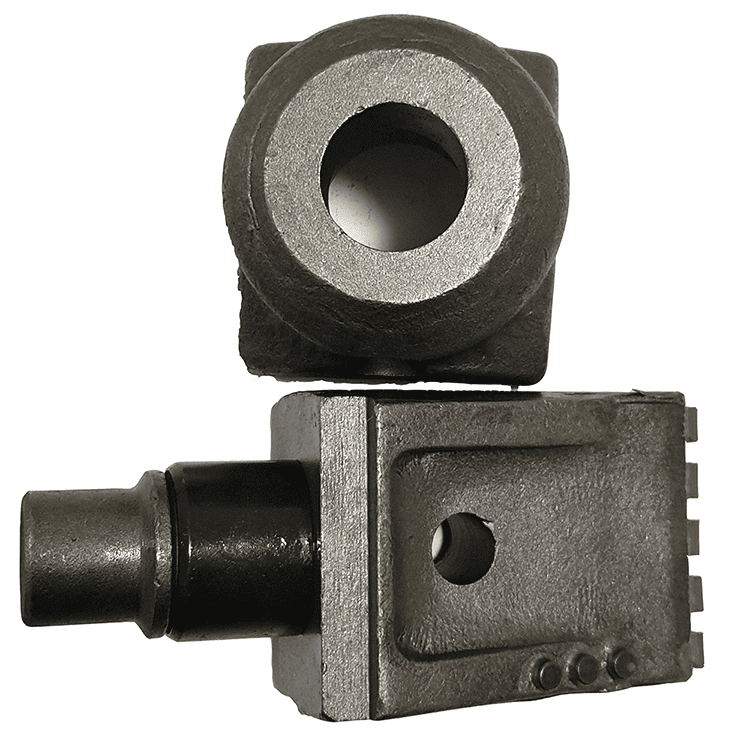
BFZ70 Flat Teeth: Higher Penetration in Soft Soil
BFZ70 Flat Teeth have a smaller cutting structure compared with BFZ72 and BFZ80.
The smaller contact area allows:
- Faster penetration
- Lower cutting resistance
- Efficient soil removal
BFZ70 is suitable for:
- Soft clay
- Loose sand
- Silt
- Normal foundation soil
However, in abrasive conditions such as gravel layers or mixed ground, the smaller cutting surface may experience faster wear.
For projects where drilling speed and lower cutting resistance are the main priorities, BFZ70 can be an effective choice.
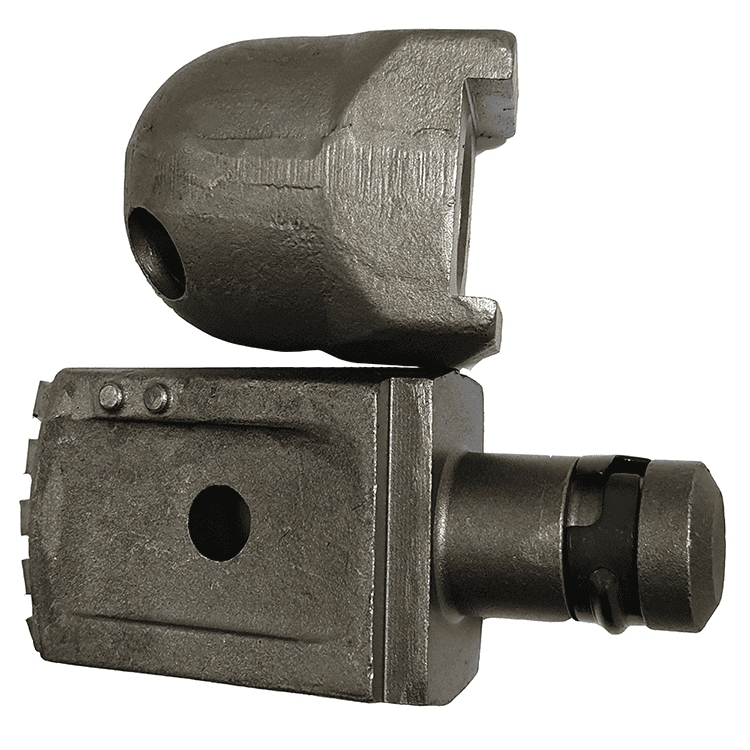
BFZ72 Flat Teeth: Balanced Performance for General Foundation Drilling
BFZ72 Flat Teeth provide a balance between penetration ability and durability.
Compared with BFZ70, BFZ72 offers:
- Larger cutting area
- Better wear resistance
- Improved impact performance
It is suitable for:
- Medium-density soil
- Clay with gravel
- Sand and gravel layers
- General bored piling projects
BFZ72 is often selected for projects where soil conditions are not completely uniform and contractors need reliable performance across different formations.
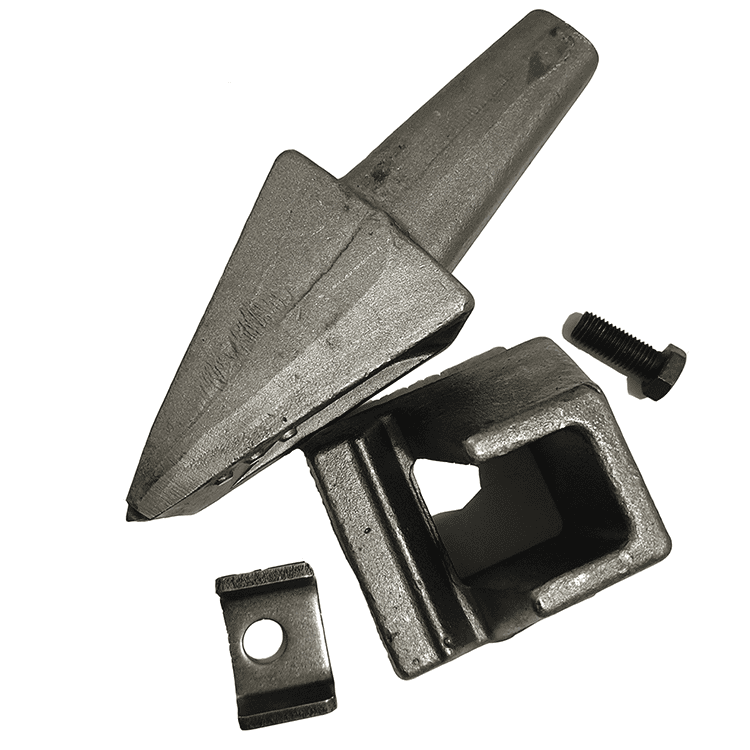
BFZ80 Flat Teeth: Heavy-Duty Performance for Difficult Conditions
BFZ80 Flat Teeth feature a larger body size and stronger cutting structure.
The larger design provides:
- Better load distribution
- Higher impact resistance
- Longer service intervals
BFZ80 is suitable for:
- Hard clay
- Dense soil
- Gravel layers
- Mixed formations
- More abrasive ground conditions
For large foundation projects requiring long operating hours, BFZ80 can help reduce downtime caused by frequent tooth replacement.
Wear Resistance Comparison Between BFZ70, BFZ72, and BFZ80
Tooth wear is one of the biggest factors affecting drilling productivity.
Wear rate depends on:
- Soil abrasiveness
- Drilling pressure
- Rotation speed
- Machine torque
- Operator experience
| Model | Wear Resistance | Suitable Condition |
|---|---|---|
| BFZ70 | Medium | Low abrasive soil |
| BFZ72 | High | General foundation work |
| BFZ80 | Very High | Hard and abrasive soil |
A tooth with insufficient wear resistance may result in:
- Reduced drilling efficiency
- Increased replacement frequency
- Higher maintenance cost
Selecting the correct tooth model according to ground conditions helps improve overall drilling performance.
Impact Resistance Under Difficult Ground Conditions
During drilling operations, flat teeth may experience sudden impact loads caused by:
- Gravel
- Small rocks
- Hard soil layers
- Underground obstacles
The stronger structure of BFZ80 provides better resistance against impact forces.
Comparison:
| Model | Impact Resistance |
|---|---|
| BFZ70 | Medium |
| BFZ72 | Good |
| BFZ80 | Excellent |
For unpredictable ground conditions, stronger teeth can reduce the risk of:
- Carbide damage
- Tooth breakage
- Holder wear
Effect of Flat Teeth Selection on Drilling Torque
The tooth size should match the performance of the rotary drilling rig.
Larger teeth remove more material during each rotation but require greater cutting force.
| Model | Torque Requirement | Recommended Equipment |
|---|---|---|
| BFZ70 | Lower | Small and medium rotary rigs |
| BFZ72 | Medium | Medium rotary rigs |
| BFZ80 | Higher | Medium and large rotary rigs |
Using oversized teeth on a small machine may increase drilling resistance and reduce penetration speed.
Using undersized teeth on a large machine may increase wear and shorten replacement intervals.
The correct match between teeth and drilling equipment improves energy efficiency.
BFZ70 vs BFZ72 vs BFZ80: Soil Condition Guide
| Soil Condition | Recommended Flat Teeth |
|---|---|
| Soft clay | BFZ70 |
| Loose sand | BFZ70 |
| Normal soil | BFZ70 / BFZ72 |
| Mixed soil | BFZ72 |
| Gravel soil | BFZ72 / BFZ80 |
| Hard clay | BFZ80 |
| Abrasive formation | BFZ80 |
Flat Teeth vs Bullet Teeth for Rotary Drilling
Flat teeth and bullet teeth serve different drilling purposes.
| Flat Teeth | Bullet Teeth | |
|---|---|---|
| Cutting Style | Cutting and scraping | Penetration and breaking |
| Suitable Ground | Soil, clay, sand | Rock, gravel, hard formation |
| Cutting Surface | Wider | Pointed |
| Main Advantage | Efficient soil removal | Strong penetration ability |
Flat teeth are commonly used for soil drilling, while bullet teeth are preferred when stronger penetration is needed.
For mixed ground projects, contractors may select different drilling teeth according to changing soil conditions.
How to Choose the Right Flat Teeth?
Before selecting BFZ70, BFZ72, or BFZ80, consider:
Soil Conditions
Evaluate:
- Soil hardness
- Abrasiveness
- Gravel content
- Rock presence
Drilling Equipment
Check compatibility with:
- Rotary drilling rig torque
- Drilling bucket size
- Tooth holder system
Project Requirements
Consider:
- Drilling diameter
- Construction schedule
- Expected working hours
- Replacement cost
The right flat teeth selection can improve productivity and reduce unnecessary downtime.
Maintenance Tips for Longer Flat Teeth Service Life
Proper operation can extend tooth performance.
Recommended practices:
- Inspect teeth regularly
- Replace worn holders
- Avoid excessive drilling pressure
- Select teeth according to soil conditions
- Maintain correct drilling parameters
Regular inspection helps identify wear problems before they affect drilling efficiency.
Frequently Asked Questions (FAQ)
BFZ80 has a larger structure and provides higher wear resistance and impact protection, while BFZ72 offers balanced performance for general drilling applications.
BFZ80 Flat Teeth are generally more suitable because of their stronger wear resistance and impact performance.
Yes. BFZ70 works well in softer soil conditions where high penetration efficiency is required.
The replacement depends on drilling bucket design, tooth holder compatibility, and soil conditions.
Yes. Flat teeth are commonly used on rotary drilling buckets for foundation and bored piling projects.