In deep foundation construction, maintaining borehole stability is one of the biggest challenges faced by contractors, especially when working in unstable soil conditions, groundwater environments, or large-diameter piling projects. A reliable casing system is essential to prevent borehole collapse, improve drilling accuracy, and ensure safe pile construction.
Double Wall Casing is an advanced casing solution widely used in rotary drilling and bored piling applications. Compared with conventional single-wall casing, double wall casing provides higher structural strength, improved torsional resistance, and better stability during drilling operations.
This article explains how double wall casing works, its main applications, key benefits, and how to select the right casing system for foundation drilling projects.
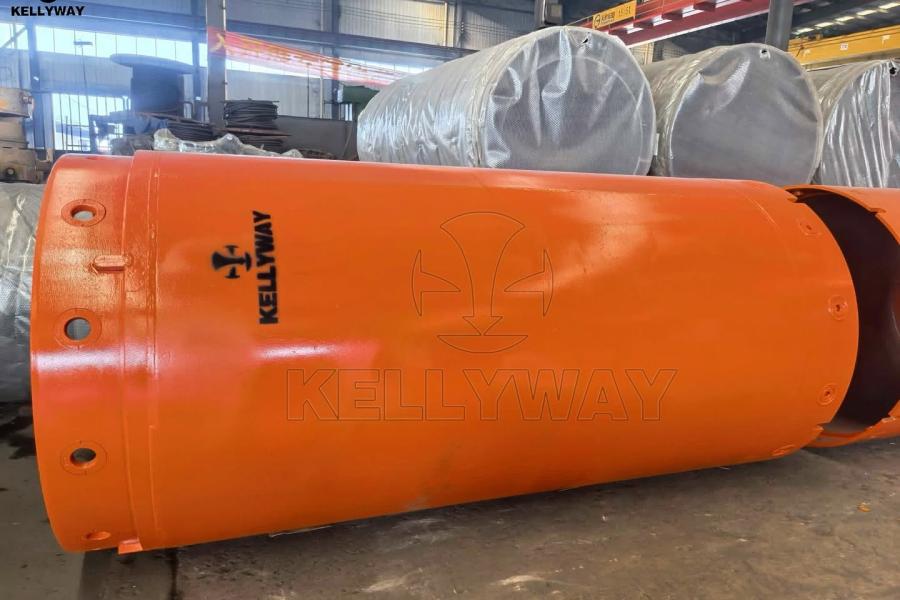
What Is Double Wall Casing?
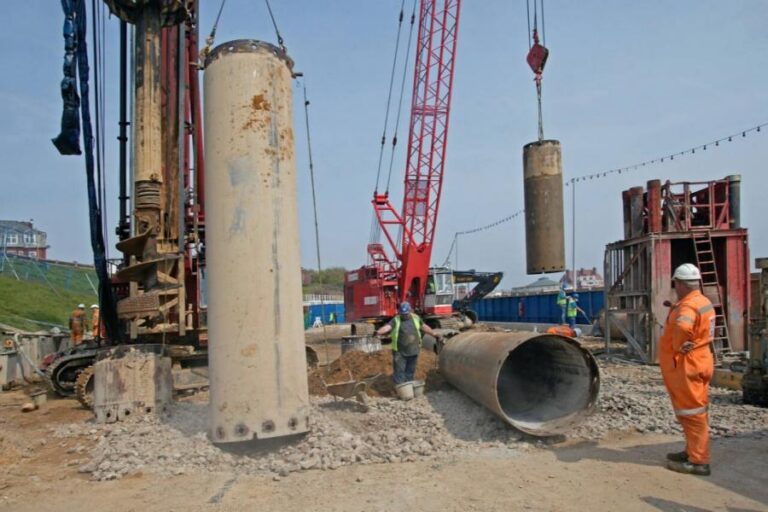
Double Wall Casing is a drilling casing system consisting of two concentric steel walls: an outer casing and an inner casing. The space between the two walls creates a reinforced structure that improves casing stiffness and resistance during drilling.
Unlike standard casing systems, double wall casing is designed to withstand higher loads generated during rotary drilling operations. The reinforced design helps maintain the vertical alignment of the borehole and reduces deformation when drilling through challenging ground conditions.
Double wall casing is commonly used in large-diameter bored piling projects where conventional casing solutions may not provide sufficient stability.
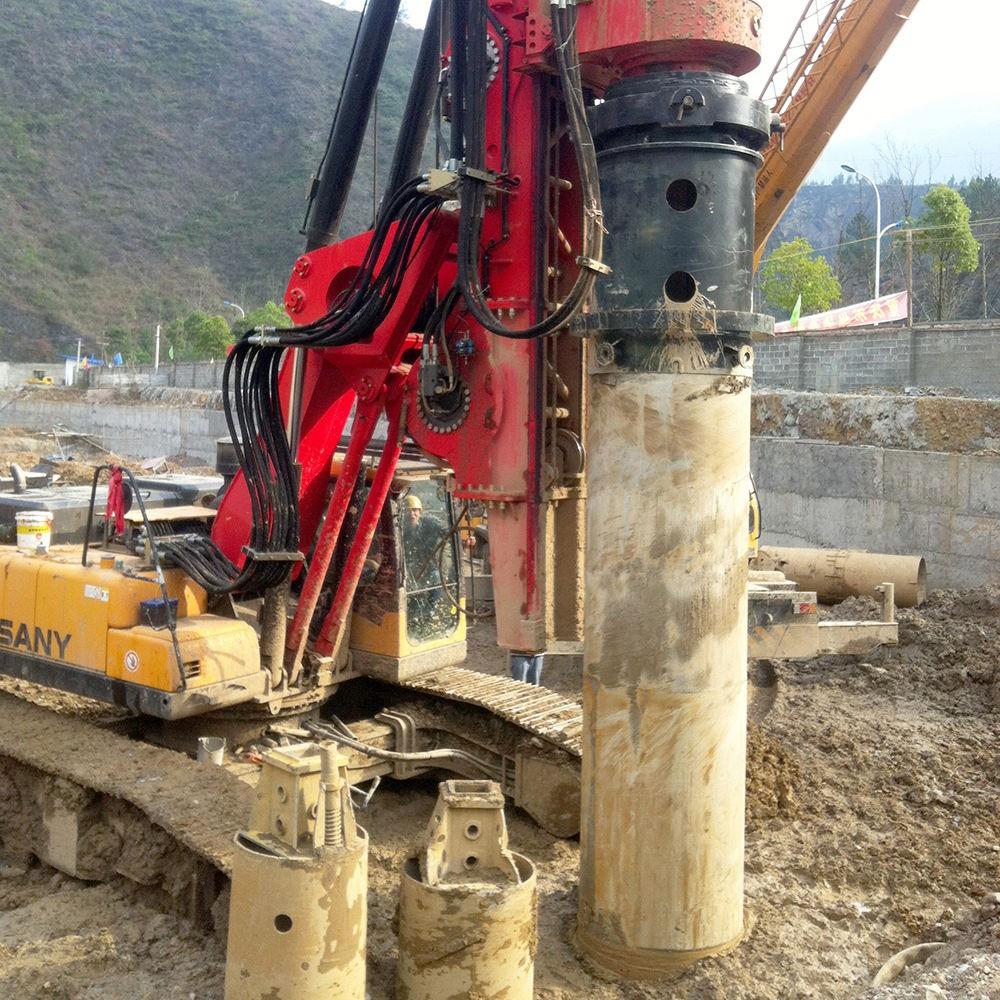
How Does Double Wall Casing Work in Bored Piling?
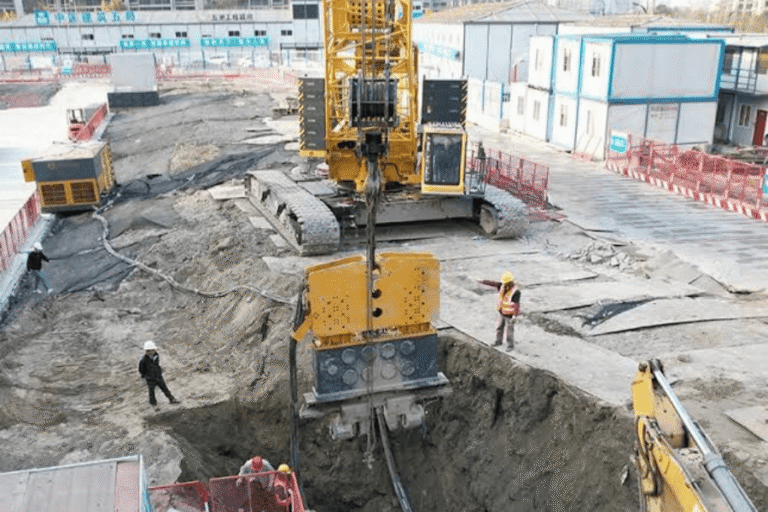
During bored pile construction, the casing is installed into the ground while the drilling rig excavates inside the casing. The casing provides temporary support to the borehole wall, preventing soil movement and maintaining hole integrity.
The double-wall structure improves performance in several ways:
Improved Structural Rigidity
The dual-wall design increases the overall stiffness of the casing, allowing it to resist external pressure from surrounding soil and groundwater.
Enhanced Torsional Resistance
During rotary drilling, casing systems experience significant torque. Double wall casing provides better resistance against twisting forces, helping maintain stable drilling operations.
Reduced Borehole Deformation
The reinforced casing structure helps maintain accurate borehole diameter and verticality, which is especially important for deep foundation piles.
Better Performance in Difficult Ground
Double wall casing is particularly suitable for loose soil, gravel layers, unstable formations, and projects requiring large-diameter excavation.
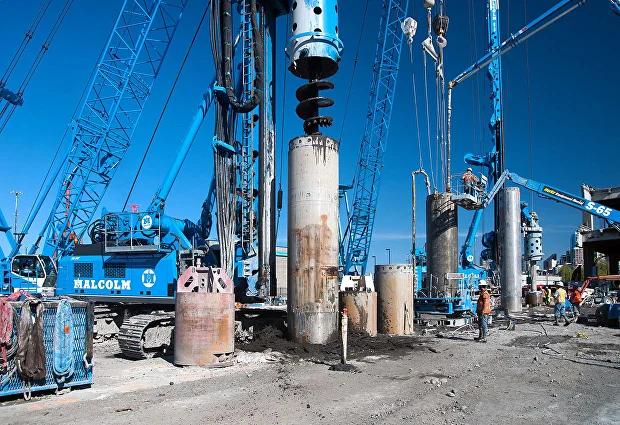
Applications of Double Wall Casing in Foundation Drilling
Double wall casing is widely used in various foundation engineering projects, including:
Large Diameter Bored Piles
For bridges, high-rise buildings, and infrastructure projects, large-diameter piles require stable boreholes to ensure proper reinforcement installation and concrete placement.
Challenging Soil Conditions
In unstable formations such as loose sand, gravel, and soft soil, double wall casing helps prevent borehole collapse during drilling.
Groundwater Conditions
High groundwater levels can affect borehole stability. Double wall casing provides additional support to maintain drilling accuracy in wet environments.
Deep Foundation Projects
For deep excavation and heavy-load foundations, the higher strength and stiffness of double wall casing make it a reliable solution.
Double Wall Casing Performance in Different Soil Conditions
Different geological conditions require different casing solutions. The performance advantages of double wall casing become especially important in complex formations.
| Soil Condition | Double Wall Casing Performance |
|---|---|
| Clay | Helps maintain borehole shape and prevents wall deformation |
| Sand | Provides stronger support against soil collapse |
| Gravel | Improves stability in loose and mixed formations |
| Weathered Rock | Offers higher resistance during drilling operations |
| Groundwater Areas | Helps maintain borehole integrity under pressure |
Choosing the correct casing diameter, wall thickness, and connection system according to ground conditions can significantly improve drilling efficiency.
Key Benefits of Using Double Wall Casing
Higher Borehole Stability
The reinforced structure provides stronger support compared with conventional casing, reducing the risk of borehole failure.
Improved Drilling Accuracy
Stable casing performance helps maintain correct pile diameter and vertical alignment.
Longer Service Life
High-quality steel construction and reinforced design allow double wall casing to withstand demanding drilling environments.
Increased Construction Efficiency
By reducing borehole instability and drilling interruptions, double wall casing helps contractors improve productivity and reduce project risks.
How to Choose the Right Double Wall Casing?
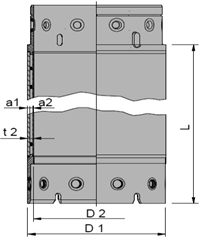
Selecting the correct double wall casing depends on several project factors, including pile diameter, drilling depth, soil conditions, rotary drilling rig capacity, and required casing strength. Choosing the right specifications can improve borehole stability, drilling efficiency, and overall construction safety.
Casing Diameter
The casing diameter should match the required bored pile diameter and drilling equipment specifications.
For foundation drilling projects, double wall casing is commonly available in diameters ranging from 600 mm to 3000 mm or larger for special applications. The selected casing size should provide sufficient clearance for drilling tools while maintaining the designed pile diameter.
Typical applications include:
- 600–1200 mm casing: Commonly used for medium-size bored piles in building and infrastructure projects.
- 1200–2000 mm casing: Suitable for large-diameter foundation piles, bridges, and heavy construction.
- 2000 mm+ casing: Used for major infrastructure projects requiring large-capacity piles.
The casing diameter should also be compatible with the rotary drilling rig, drilling bucket, and other foundation drilling tools.
Casing Length
The required casing length depends on soil conditions, groundwater level, and borehole stability requirements.
Standard double wall casing sections are commonly supplied in lengths of 1.5 m, 2 m, 3 m, and 6 m, while customized lengths can be manufactured according to project requirements.
Longer casing sections are often selected for:
- Loose sand and gravel layers
- High groundwater conditions
- Deep bored pile construction
- Unstable upper soil formations
For deep foundation projects, multiple casing sections can be connected to achieve the required installation depth.
Material Thickness
The wall thickness of double wall casing directly affects its structural strength, deformation resistance, and service life.
Common casing wall thickness ranges from 20 mm to 50 mm, depending on casing diameter and operating conditions.
Typical selection considerations:
- 20–30 mm thickness: Suitable for standard soil conditions and medium-duty applications.
- 30–40 mm thickness: Recommended for larger diameters and more demanding drilling conditions.
- 40–50 mm+ thickness: Used for heavy-duty applications, deep piles, and high-torque drilling operations.
Thicker casing walls provide higher resistance against external soil pressure and repeated installation cycles.
Connection Type
Reliable casing connections are essential for transferring torque, maintaining alignment, and ensuring safe installation.
Common double wall casing connection options include:
- Bolted connections
- Pin and box connections
- Flange connections
- Quick locking systems
For large-diameter casing, the connection system must provide sufficient strength to withstand high torque generated by rotary drilling rigs. Proper alignment between casing sections helps prevent deviation during deep drilling.
Casing Shoe Selection
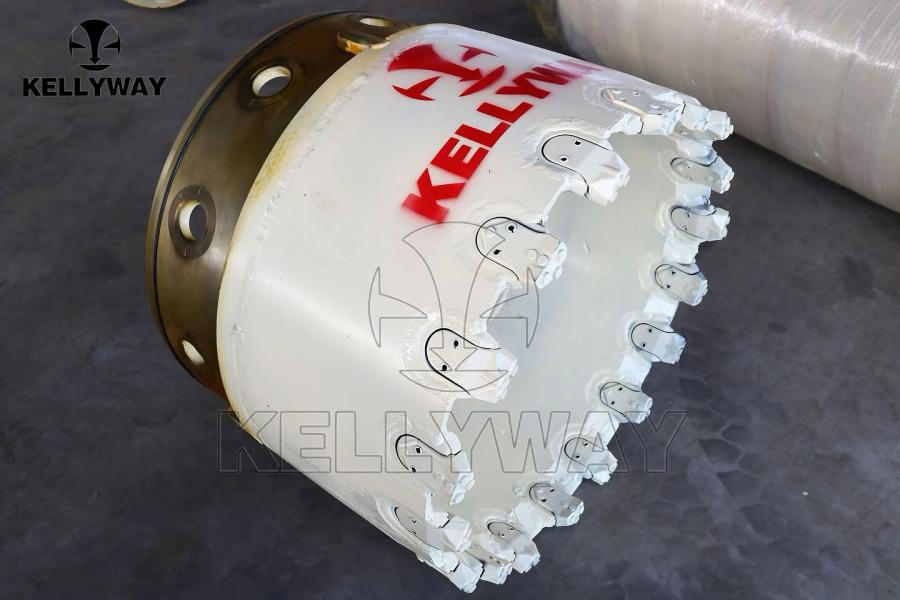
The casing shoe is installed at the bottom of the casing and directly affects penetration performance and wear resistance.
The correct casing shoe design depends on geological conditions:
- Soil cutting shoes: Suitable for clay, sand, and soft soil layers.
- Rock cutting shoes: Designed for weathered rock and hard formations.
- Heavy-duty reinforced shoes: Used in mixed ground conditions containing gravel and cobbles.
A properly selected casing shoe improves cutting efficiency, reduces installation resistance, and extends casing service life.
Casing Adapter Compatibility
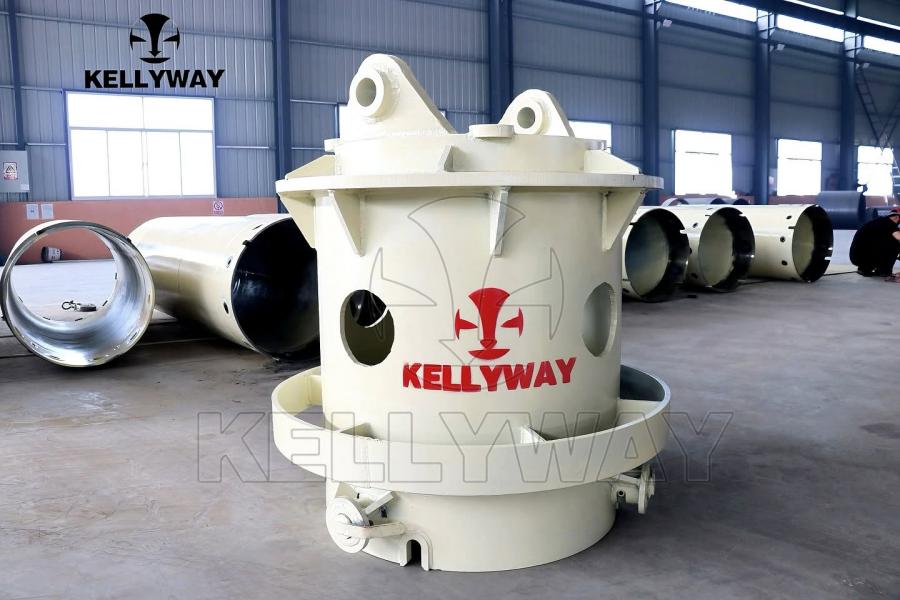
The casing adapter connects the double wall casing system with rotary drilling equipment and ensures efficient torque transmission.
When selecting a casing adapter, contractors should consider:
- Rotary drilling rig model and torque capacity
- Casing diameter and connection dimensions
- Required installation method
- Compatibility with casing drive systems
A properly matched casing adapter helps improve drilling efficiency and prevents connection failures during casing installation.
Double Wall Casing: A Reliable Solution for Modern Foundation Projects
As foundation projects become larger and more complex, contractors require drilling solutions that provide higher stability, accuracy, and efficiency. Double wall casing offers significant advantages for bored piling applications, particularly in unstable soil conditions and large-diameter foundation construction.
By improving borehole stability, resisting drilling forces, and supporting accurate pile installation, double wall casing has become an important component in modern rotary drilling operations.
Rockway supplies reliable piling accessories and drilling components designed for foundation contractors worldwide. Contact us for suitable double wall casing solutions based on your project requirements.
Frequently Asked Questions (FAQ)
Single wall casing uses one steel wall for borehole support, while double wall casing uses two concentric walls to provide higher stiffness, strength, and resistance against drilling forces.
Double wall casing is recommended for large-diameter bored piles, unstable soil conditions, groundwater environments, and projects requiring enhanced borehole stability.
Double wall casing is commonly used in bridges, high-rise buildings, infrastructure projects, and other deep foundation construction applications.
Double wall casing is commonly used in bridges, high-rise buildings, infrastructure projects, and other deep foundation construction applications.
Common accessories include casing shoes and casing adapters, which improve casing penetration, connection reliability, and drilling efficiency.