
In foundation construction, choosing the right drilling tool has a direct impact on drilling efficiency, project quality, and operating costs. Among the many tools used with rotary drilling rigs, the auger is one of the most common and versatile options for excavating soil and forming boreholes.
Thanks to its spiral flight design, an auger cuts into the ground while lifting excavated material to the surface in a single operation. It performs well in a wide range of ground conditions, including clay, sand, gravel, and weathered rock, making it suitable for many bored piling applications.
This article explains how an auger works, introduces its main components, and compares the different auger types to help you select the most suitable drilling tool for your foundation project.
What Is an Auger?
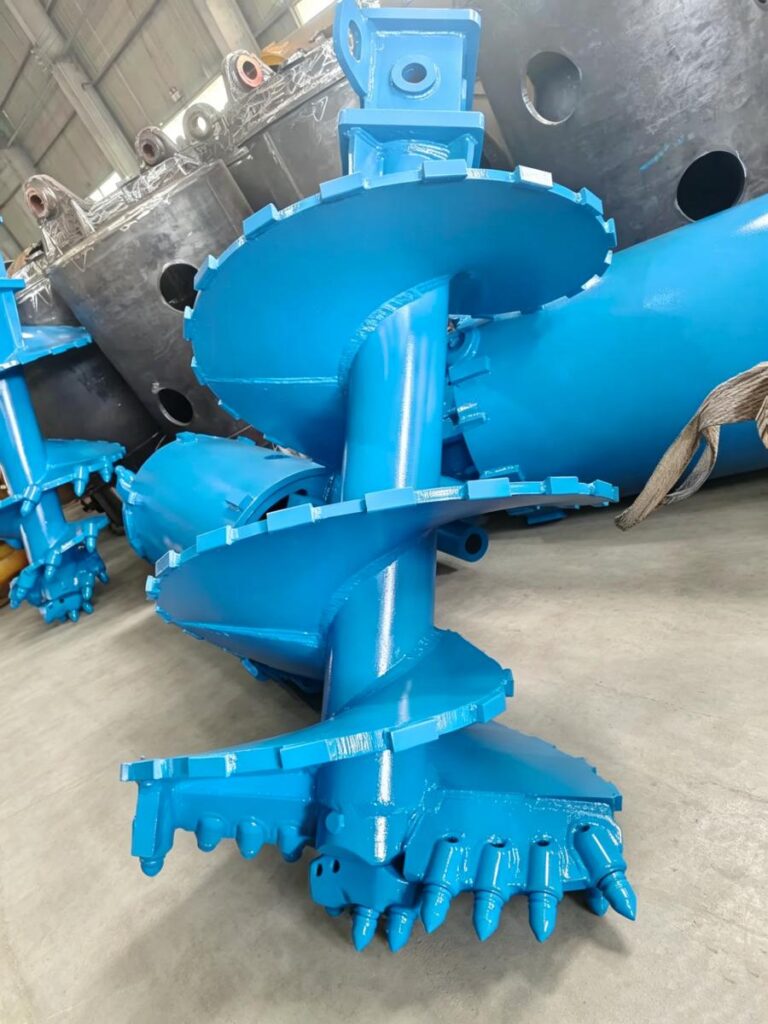
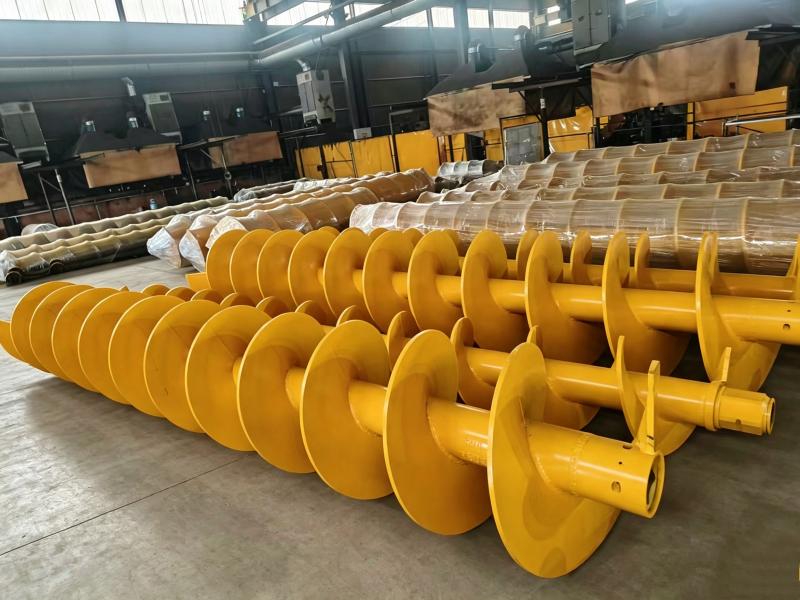
An auger is a rotary drilling tool designed to cut, loosen, and remove soil or rock during drilling operations. It consists of a central drilling body with helical flights wrapped around the shaft. As the auger rotates, the cutting teeth penetrate the ground, while the spiral flights lift the excavated material upward and discharge it from the borehole.
Augers are commonly installed on:
- Rotary drilling rigs
- Foundation piling equipment
- CFA drilling systems
- Geotechnical drilling machines
Compared with drilling buckets, augers are particularly effective when continuous cutting and fast soil removal are required.
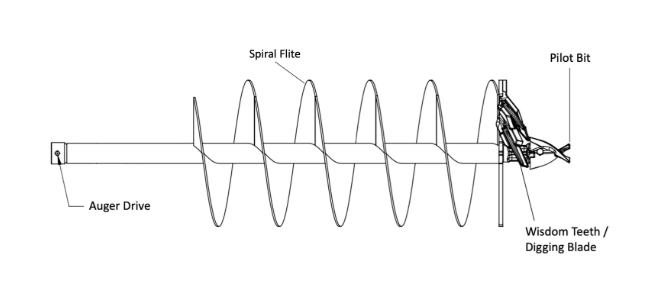
Main Components of an Auger
An auger consists of several key components that work together to achieve efficient excavation.
1. Central Tube and Drilling Body
The central tube provides structural strength and transfers torque from the Kelly bar to the cutting system.
High-strength alloy steel is commonly used to withstand:
- High rotational torque
- Impact loads
- Continuous drilling stress
A strong drilling body improves durability when working in demanding ground conditions.
2. Helical Flights
The flights are the spiral-shaped sections around the auger body.
Their main functions include:
- Carrying excavated soil upward
- Improving material discharge
- Reducing repeated cutting
- Increasing drilling efficiency
Flight design, pitch, and thickness affect performance in different soil conditions.
For example:
- Narrow flight spacing is suitable for cohesive soils such as clay.
- Larger flight spacing helps remove loose materials such as sand and gravel.
3. Cutting Teeth
The cutting teeth are the main components responsible for breaking and penetrating the ground.
Common auger teeth include:
Soil Teeth
Used for:
- Clay
- Soft soil
- Sand
Features:
- Sharp cutting edge
- Efficient soil penetration
- Good material removal performance
Bullet Teeth
Used for:
- Gravel
- Mixed formations
- Weathered rock
Features:
- Tungsten carbide cutting tip
- High wear resistance
- Strong penetration ability
Models such as B47K22H bullet teeth are commonly used on rotary drilling tools where durability and cutting performance are required.
4. Pilot Teeth and Center Cutting System
The pilot tooth is located at the center of the auger and helps:
- Position the drilling tool
- Improve penetration stability
- Guide the cutting direction
A properly designed pilot system reduces vibration and improves borehole accuracy.
How Does an Auger Work?
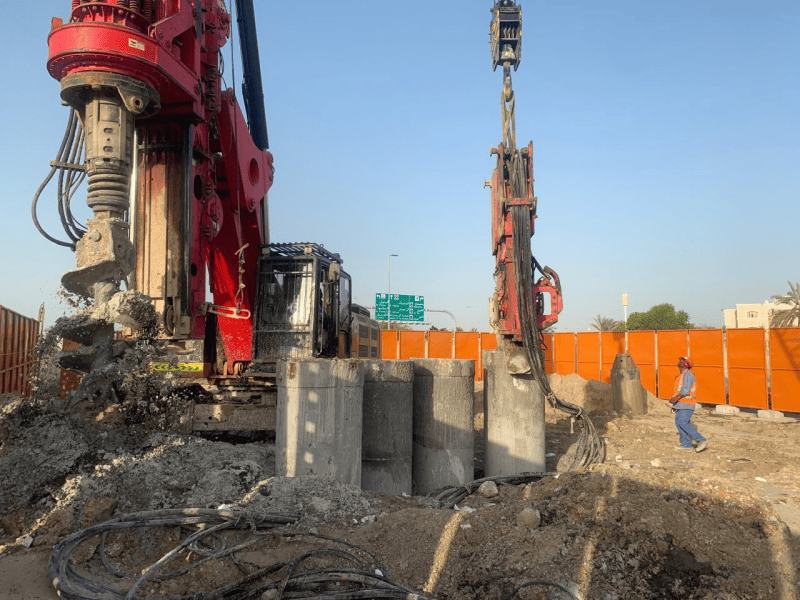
The working principle of an auger is based on rotary cutting and spiral material transportation.
The drilling process includes several steps:
Step 1: Rotation and Ground Penetration
The rotary drilling rig applies torque through the Kelly bar to rotate the auger.
As the auger rotates:
- Cutting teeth break the soil or rock
- The cutting edge creates a borehole
- Excavated material enters the flight area
Step 2: Material Transportation
The spiral flights act like a conveyor system.
During rotation:
- Loose material moves upward along the flights
- Soil is carried away from the cutting area
- The borehole remains open for continued drilling
This continuous transportation process allows faster excavation compared with tools that require repeated lifting.
Step 3: Removal of Excavated Material
Once the auger reaches the surface:
- Soil is discharged from the flights
- The tool returns into the borehole
- Drilling continues until the required depth is achieved
The efficiency of this process depends on:
- Flight design
- Tooth arrangement
- Ground conditions
- Drilling parameters
Different Types of Augers
Different geological conditions require different auger designs.
Soil Auger
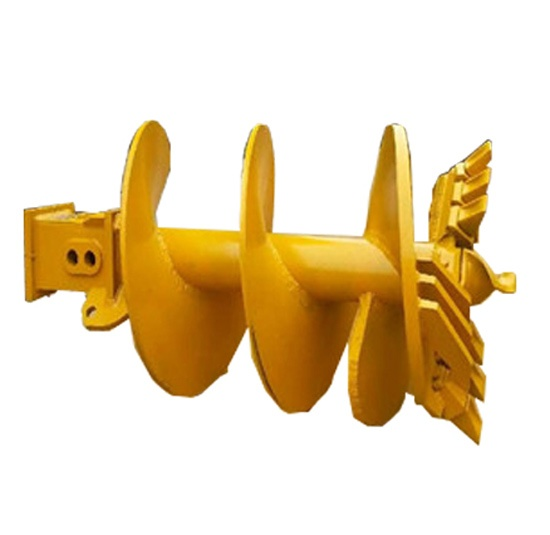
Soil augers are designed for soft and medium formations.
Typical applications:
- Clay
- Silt
- Sand
- Loose soil
Advantages:
- High drilling speed
- Efficient soil removal
- Lower operating cost
Rock Auger
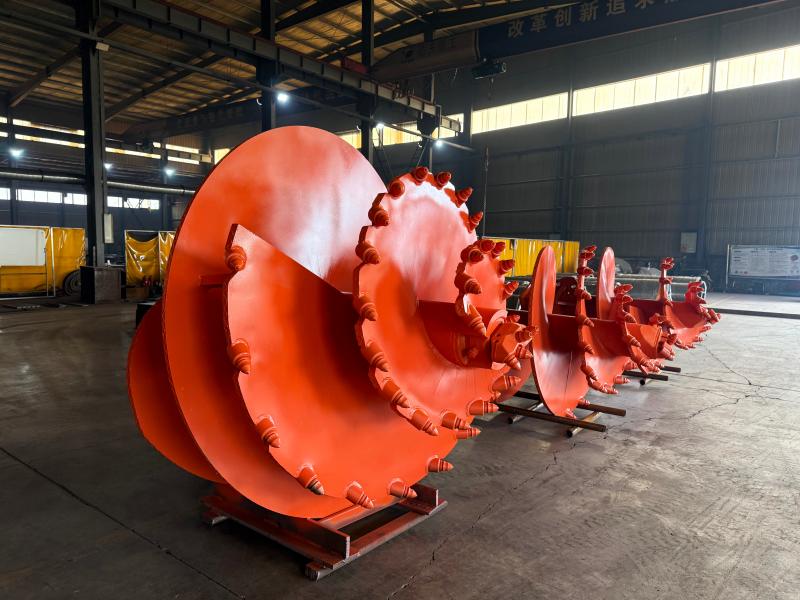
Rock augers are designed for harder formations.
Typical applications:
- Weathered rock
- Gravel layers
- Hard mixed soil
Features:
- Reinforced structure
- Heavy-duty cutting teeth
- Wear-resistant components
Double Cut Auger
A double cut auger uses multiple cutting edges to improve penetration efficiency.
Advantages:
- Better balance during drilling
- Faster cutting
- Reduced vibration
It is commonly used for challenging soil conditions where additional cutting performance is required.
Continuous Flight Auger (CFA)
A Continuous Flight Auger is a specialized drilling system where the auger remains in the ground during concrete placement.
The CFA process includes:
- Drilling to the designed depth
- Pumping concrete through the hollow stem
- Slowly withdrawing the auger
- Installing reinforcement into fresh concrete
CFA is widely used for:
- Foundation piles
- Urban construction projects
- Projects requiring low vibration
Auger Applications in Foundation Construction
Augers play an important role in bored piling projects.
Common applications include:
Bored Pile Drilling
Augers are used to create foundation holes for:
- Buildings
- Bridges
- Industrial structures
Soil Improvement
Augers help prepare ground conditions by:
- Removing unsuitable soil
- Creating installation holes
- Supporting ground reinforcement systems
Construction in Restricted Areas
Because augers produce lower vibration compared with some traditional excavation methods, they are suitable for urban construction environments.
Auger vs Drilling Bucket: What Is the Difference?
| Feature | Auger | Drilling Bucket |
|---|---|---|
| Main Function | Cutting and continuous soil removal | Collecting and lifting soil |
| Best Application | Clay, soil, mixed formations | Loose soil, sediment, rock debris |
| Working Method | Rotating spiral transportation | Filling bucket and lifting |
| Efficiency | High in suitable soil | Better for cleaning and final excavation |
| Material Handling | Continuous discharge | Intermittent removal |
In many foundation projects, contractors use both tools depending on geological conditions.
Factors Affecting Auger Performance
Several factors influence drilling efficiency:
Ground Conditions
The soil type determines tooth selection and auger design.
Drilling Torque
The drilling rig must provide sufficient torque to rotate the auger effectively.
Rotation Speed
Incorrect RPM can cause:
- Poor cutting efficiency
- Excessive wear
- Material blockage
Tooth Wear
Worn teeth reduce penetration performance and increase drilling time.
Regular inspection and timely replacement are important for maintaining productivity.
How to Choose the Right Auger?
Before selecting an auger, contractors should consider:
1. Soil and Rock Conditions
Analyze:
- Soil hardness
- Rock strength
- Abrasiveness
- Ground composition
2. Drilling Diameter and Depth
The auger size should match:
- Required pile diameter
- Drilling depth
- Machine capacity
3. Rotary Rig Specifications
Important parameters include:
- Maximum torque
- Kelly bar type
- Hydraulic power
- Lifting capacity
4. Cutting Tooth Selection
Choose teeth according to the formation:
- Soil teeth for soft ground
- Bullet teeth for abrasive conditions
- Carbide teeth for hard formations
Conclusion
An auger is a highly efficient rotary drilling tool designed for cutting and removing soil or rock during foundation construction and drilling applications. Its spiral flight design allows continuous material transportation, making it an effective solution for many ground conditions.
Choosing the correct auger type, flight design, and cutting teeth based on soil conditions and drilling requirements can significantly improve productivity, reduce tool wear, and lower operating costs.
For contractors working on bored piling and foundation projects, understanding how augers work is essential for selecting the right drilling equipment and achieving reliable project performance.
Frequently Asked Questions(FAQ)
An auger is used for cutting, excavating, and removing soil or soft rock during rotary drilling operations. It is commonly used in bored piling, foundation construction, geotechnical drilling, and other ground excavation projects where efficient material removal is required.
A rotary drilling auger works by using cutting teeth to break the ground while the helical flights transport excavated material upward and out of the borehole. The drilling rig provides rotational torque through the Kelly bar, allowing the auger to continuously cut and remove soil during operation.
A soil auger is designed for softer formations such as clay, sand, and general soil, focusing on fast cutting and material removal. A rock auger is built for harder formations such as gravel, weathered rock, and mixed ground, using stronger structures and wear-resistant cutting teeth for improved durability.
The replacement frequency of auger teeth depends on ground conditions, drilling hours, and material abrasiveness. Teeth used in hard or abrasive formations usually wear faster than those used in soft soil. Regular inspection of cutting teeth and holders helps maintain drilling efficiency and prevent damage to the auger body.
Standard augers are mainly designed for soil and softer formations. For harder rock conditions, heavy-duty rock augers equipped with carbide or tungsten carbide teeth can be used. However, extremely hard formations such as solid granite may require specialized tools like core barrels or roller bits for efficient drilling.