
In foundation construction, choosing the right piling equipment can significantly affect project efficiency, installation quality, and overall cost. A vibro hammer is one of the commonly used solutions for installing and extracting piles in various ground conditions, especially where speed and reduced ground disturbance are important.
Also known as a vibratory pile driver, a vibro hammer uses high-frequency vibration to reduce soil resistance around a pile, allowing the pile to be driven into or removed from the ground with less force compared with traditional piling methods.
For contractors working on foundation, marine, bridge, and infrastructure projects, understanding how a vibro hammer works and when to use it helps improve equipment selection and construction performance.
What Is a Vibro Hammer?
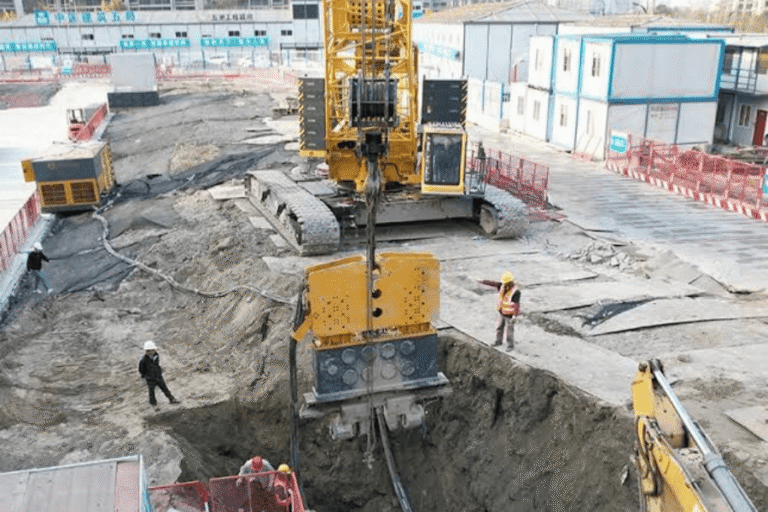
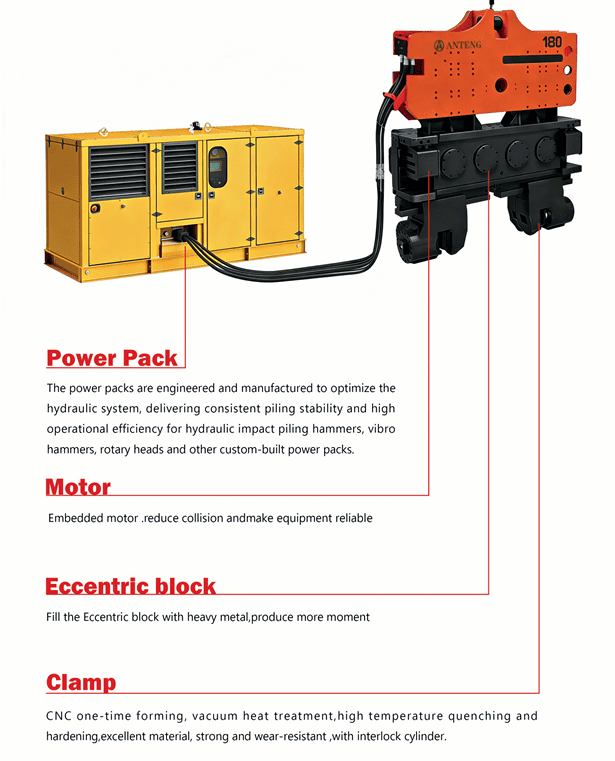
A vibro hammer is a piling attachment that uses vibration generated by rotating eccentric weights to drive or extract piles. The equipment transfers vertical vibration forces to the pile, temporarily reducing friction between the pile surface and surrounding soil.
Unlike impact hammers that rely on repeated blows, vibro hammers work through continuous vibration. This operating method allows faster pile installation while producing lower impact noise and fewer shocks to the surrounding structure.
Hydraulic vibro hammers are widely used with excavators or cranes and are suitable for different pile types, including:
- Sheet piles
- Steel pipe piles
- H-beams
- Casings
- Temporary foundation supports
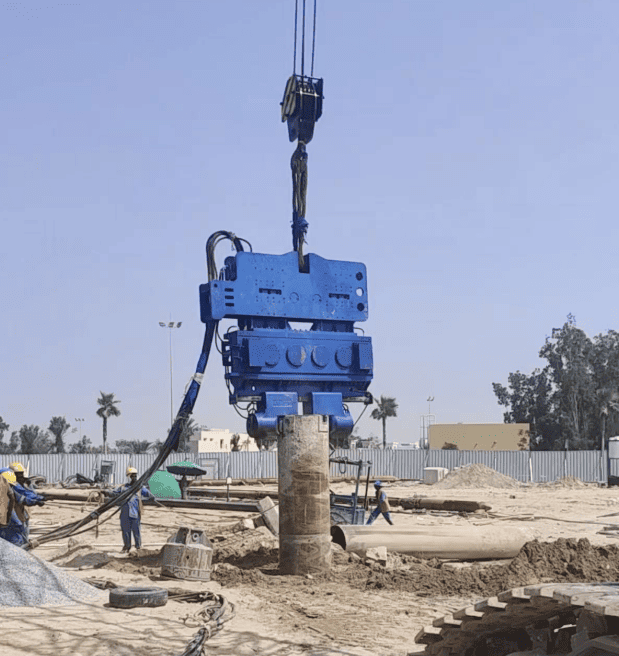
How Does a Vibro Hammer Work?
A vibro hammer operates through a hydraulic power system that drives internal eccentric weights. These weights rotate at high speed, creating vertical vibration forces.
During operation:
- The vibro hammer is connected to the pile through a clamp or attachment system.
- The hydraulic motor activates the eccentric weights inside the hammer.
- Generated vibration reduces soil resistance around the pile.
- The pile moves downward under the combined force of vibration and static pressure.
- The same process can be used in reverse for pile extraction.
The effectiveness of a vibro hammer depends on several factors, including soil conditions, pile type, vibration frequency, and equipment capacity.
The vibration frequency and centrifugal force are two important performance factors. Higher vibration force can improve penetration in certain soil conditions, while proper frequency control helps maintain equipment stability and reduces unnecessary stress on surrounding structures.
Main Applications of Vibro Hammers in Foundation Construction
Sheet Pile Installation
One of the most common applications of vibro hammers is installing steel sheet piles. They are widely used for:
- Retaining walls
- Cofferdams
- Temporary excavation support
- River and marine construction
The fast installation speed of vibro hammers makes them suitable for large-scale sheet pile projects. In many temporary construction applications, sheet piles can also be removed after completion and reused for future projects.
Steel Pipe Pile Driving
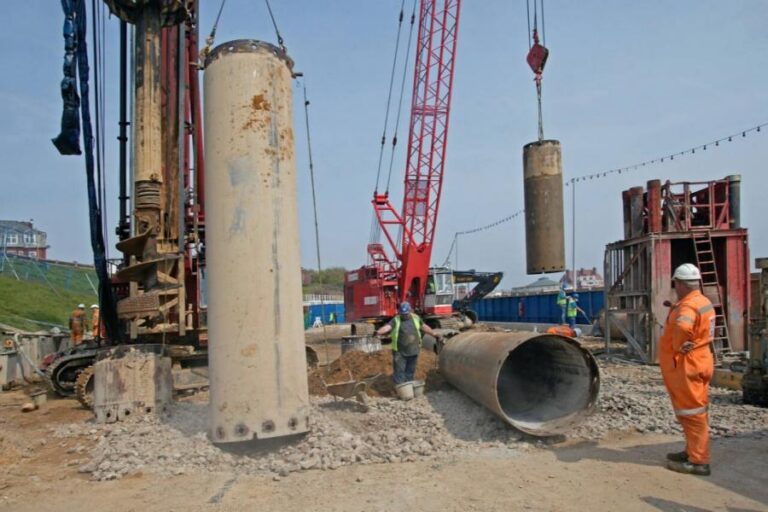
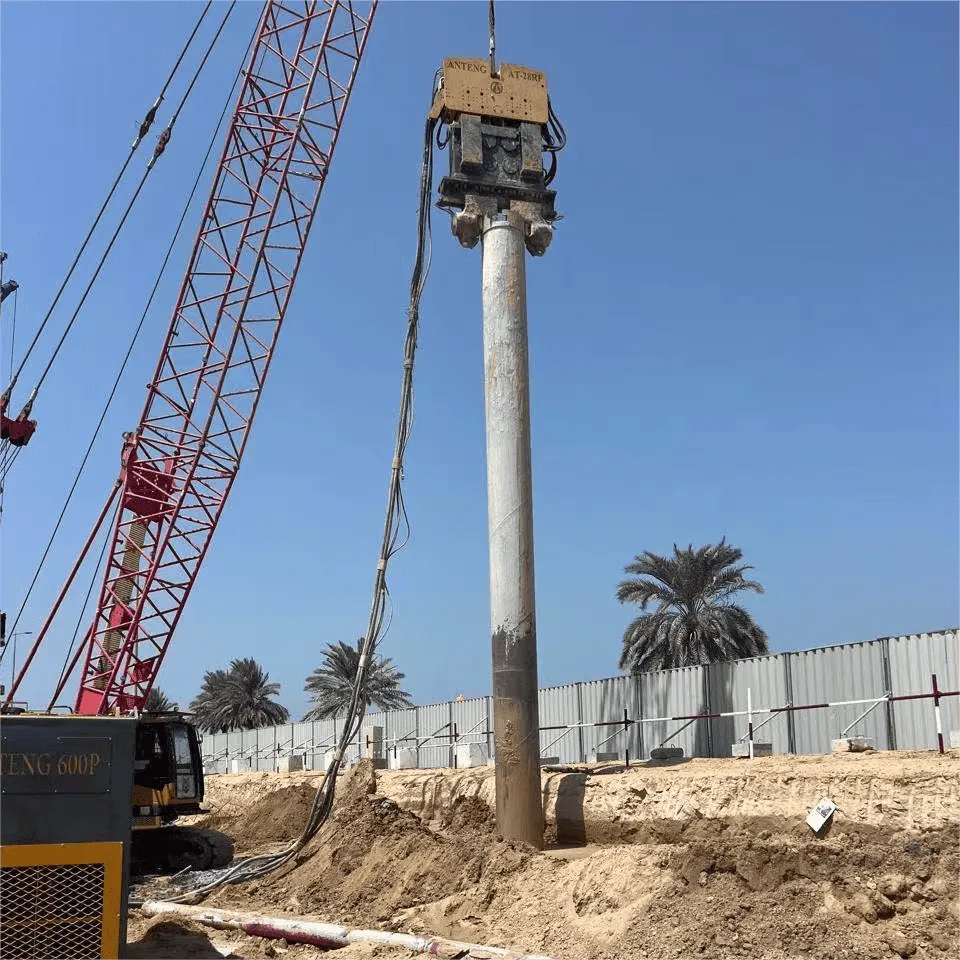
Vibro hammers are also commonly used for steel pipe piles in infrastructure projects. They help contractors install piles efficiently while maintaining better control during the driving process.
Typical applications include:
- Bridge foundations
- Port construction
- Offshore projects
- Heavy industrial facilities
For large diameter pipe piles, selecting a vibro hammer with sufficient power is important to overcome soil resistance and achieve the required installation depth.
Pile Extraction
Besides installation, vibro hammers are effective for removing temporary piles after construction work is completed.
They are often used for extracting:
- Temporary sheet piles
- Steel casings
- Support piles
This makes them a practical choice for projects requiring reusable piling materials. The extraction process can reduce labor requirements and improve the efficiency of temporary foundation systems.
Advantages of Using a Vibro Hammer
Faster Installation Speed
Compared with traditional piling methods, vibro hammers can install many types of piles more efficiently, helping reduce construction time.
Lower Noise and Vibration Impact
Vibro hammers generally produce less impact noise compared with impact hammers, making them suitable for projects located near urban areas or sensitive structures.
Versatile Applications
A single vibro hammer can work with different pile types and can be mounted on excavators or cranes depending on project requirements.
Efficient Pile Extraction
The ability to both install and remove piles provides additional flexibility for temporary foundation works.
Improved Job Site Productivity
Because vibro hammers can perform installation and extraction tasks with fewer additional tools, they can help simplify equipment planning and improve overall project workflow.
Factors to Consider When Selecting a Vibro Hammer
Choosing the right vibro hammer requires evaluating several project conditions:
Soil Conditions
Different soils require different vibration forces. Dense soil, clay, gravel, and sandy ground can affect installation performance.
Pile Type and Size
The weight, length, and material of the pile influence the required vibro hammer capacity. Heavier piles usually require higher centrifugal force and greater hydraulic power.
Equipment Compatibility
The hydraulic flow and lifting capacity of the excavator or crane should match the requirements of the vibro hammer.
Working Environment
Urban construction, marine projects, and open sites may have different requirements regarding noise, vibration, and access conditions.
Project Requirements
Before selecting equipment, contractors should consider installation depth, expected production rate, ground conditions, and available machinery. Proper equipment matching can prevent delays and improve construction efficiency.
Vibro Hammer vs Impact Hammer
Both vibro hammers and impact hammers are used for pile installation, but their working methods are different.
| Feature | Vibro Hammer | Impact Hammer |
|---|---|---|
| Working Method | High-frequency vibration | Repeated impact force |
| Main Application | Sheet piles, pipe piles, temporary piles | Heavy foundation piles |
| Noise Level | Lower | Higher |
| Installation Speed | Fast for suitable conditions | Depends on pile type |
| Extraction Capability | Excellent | Limited |
The best choice depends on project requirements, soil conditions, pile specifications, and environmental restrictions.
Vibro Hammer Applications in Modern Construction
With increasing demand for efficient foundation solutions, vibro hammers are widely used in:
- Building foundations
- Highway construction
- Bridge projects
- Port and marine engineering
- Underground construction
- Temporary excavation support
Their flexibility and efficiency make them an important part of modern piling equipment systems.
As construction projects become more focused on productivity and environmental impact, vibration-based piling solutions continue to gain attention. Contractors often choose vibro hammers when they need a balance between installation speed, operational flexibility, and reduced disturbance compared with traditional piling methods.
Frequently Asked Questions (FAQ)
A vibro hammer is used for installing and extracting piles in foundation construction. It is commonly applied for sheet piles, steel pipe piles, H-beams, and temporary foundation supports in construction, marine, and infrastructure projects.
A vibro hammer uses rotating eccentric weights powered by a hydraulic motor to generate high-frequency vibration. The vibration reduces soil resistance around the pile, allowing it to be driven into or removed from the ground more efficiently.
Vibro hammers can be used for various pile types, including steel sheet piles, pipe piles, H-beams, casings, and temporary support piles. The suitable pile type depends on project requirements and ground conditions.
A vibro hammer installs piles through continuous high-frequency vibration, while an impact hammer uses repeated blows to drive piles. Vibro hammers usually produce lower noise and are suitable for projects requiring faster installation and reduced disturbance.
Selecting a suitable vibro hammer depends on factors such as soil conditions, pile size and weight, required installation depth, equipment compatibility, and working environment. Proper matching of equipment capacity helps improve efficiency and reduce operational issues.